The team behind BabyPlate
BabyPlate started with a familiar feeling: standing in the kitchen at 6 months, holding a spoon, and having no idea where to begin. The advice online was endless and contradictory. We built BabyPlate so parents don't have to piece it together alone — one clear place to look up any food, track what your baby eats, and introduce allergens safely.

What BabyPlate is
Three tools that work together — a food library you can trust, a tracker that remembers every bite, and a weekly plan that keeps up with your baby.
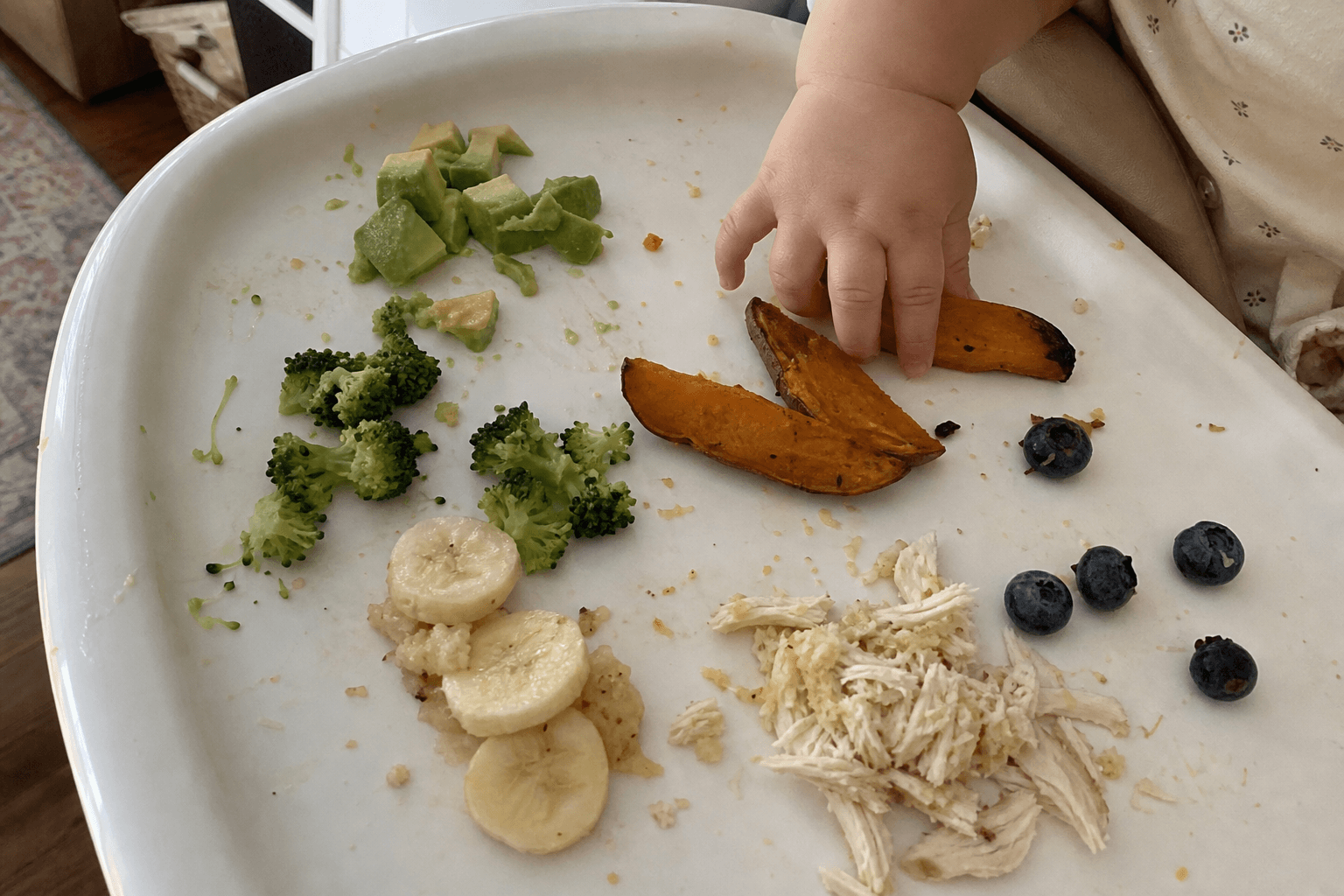
380+ first foods
Every food comes with the age it's safe to start and how to serve it at 6, 9, and 12 months — plus whether it's iron-rich or a common allergen.
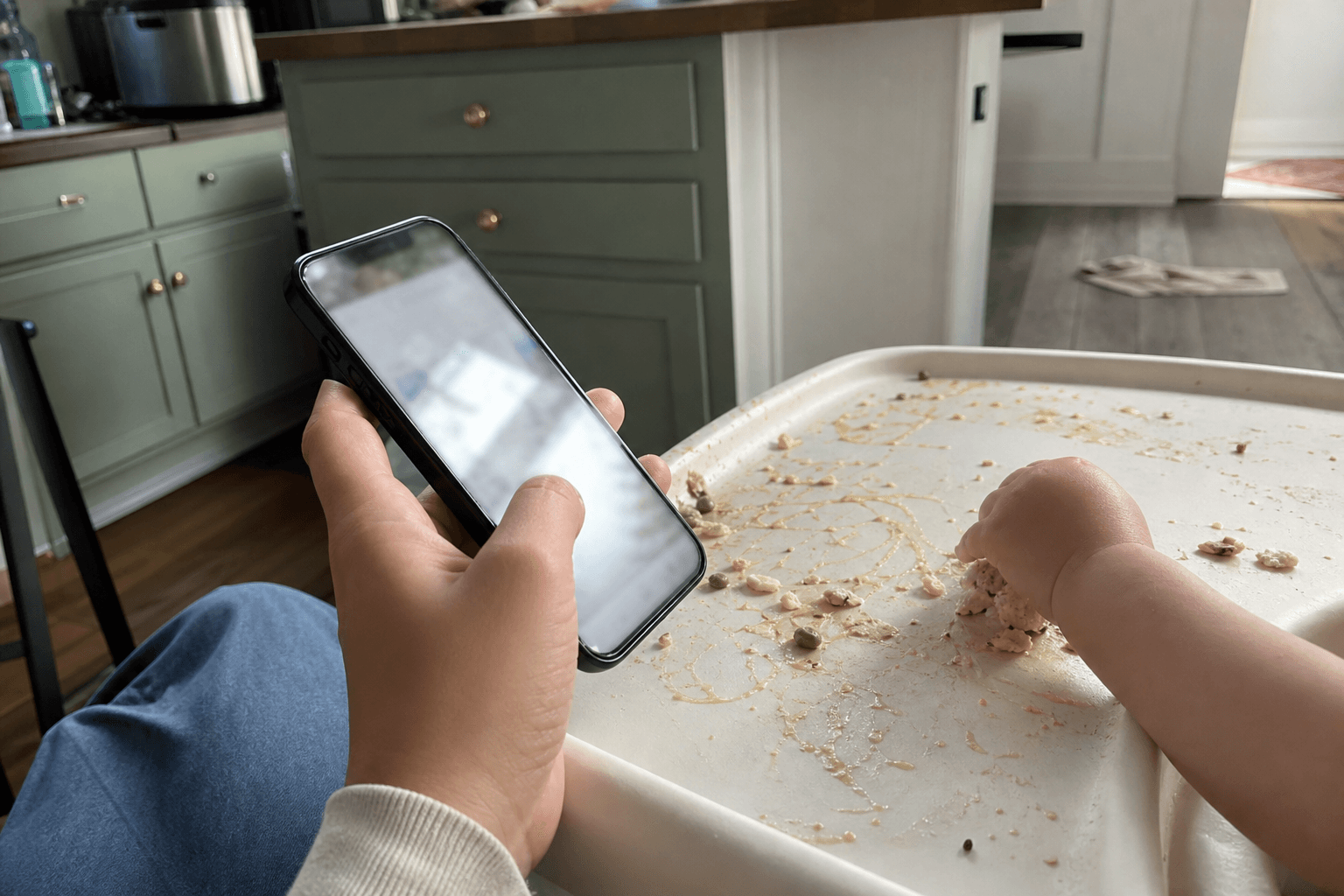
Every bite, every reaction
Log what your baby tries and how it went. BabyPlate keeps a running record you can show your pediatrician at any visit.
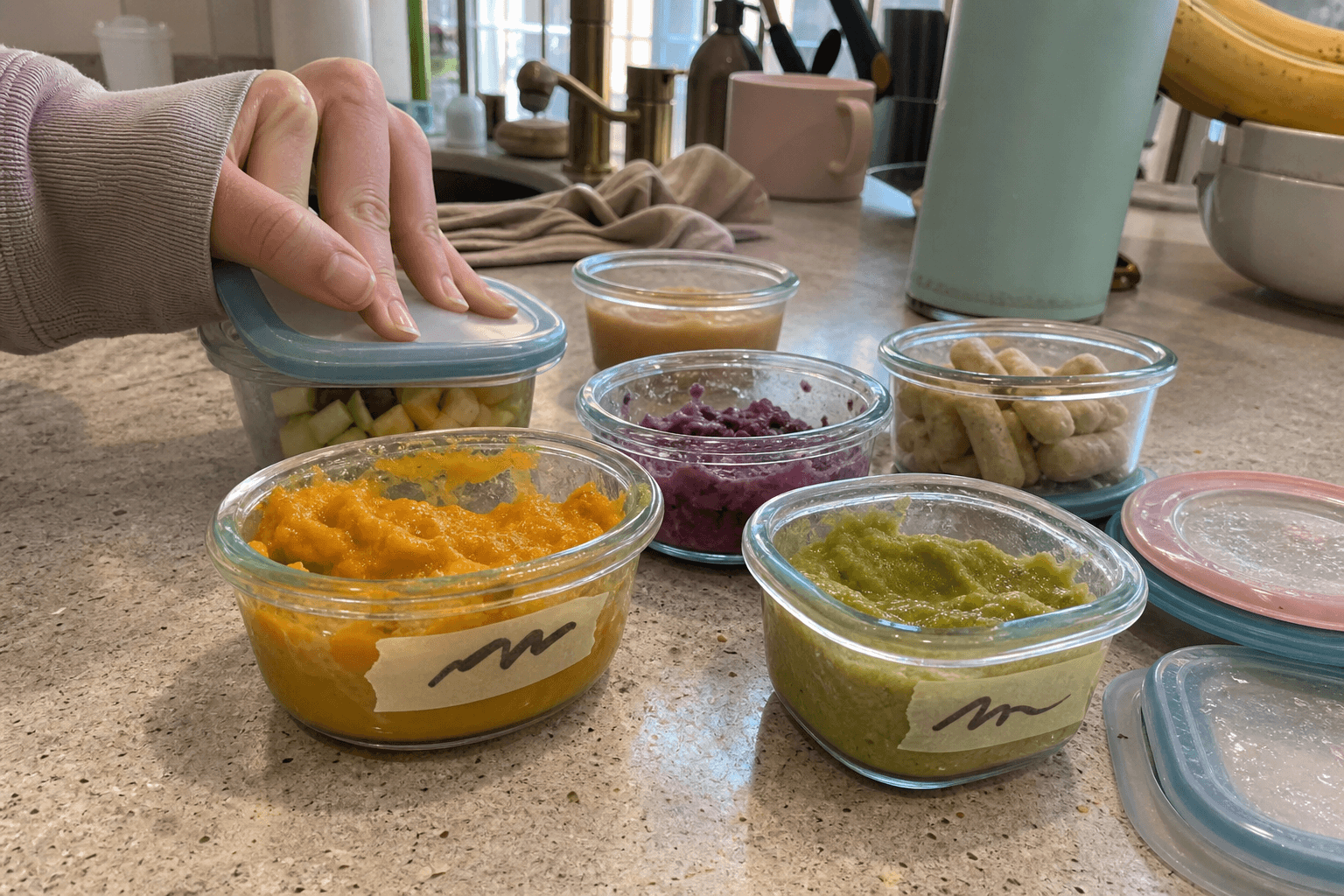
Guidance that adapts
A clear set of tasks each week — new foods, allergens to repeat, iron, variety — that adjusts to what you've actually logged.
Where our guidance comes from
BabyPlate is built by parents, not written by a faceless brand. But the guidance inside it doesn't come from opinion. Every food age, serving tip, and allergen step is developed from leading public-health guidance and peer-reviewed research — the same sources pediatricians point to.
We review our content against these sources and update it as guidance evolves, so what you read reflects the current consensus — not a stale article from years ago.
World Health Organization (WHO)
Infant and young child feeding guidance — including introducing solids at around 6 months alongside continued breast milk or formula.
American Academy of Pediatrics (AAP)
Starting-solids and early allergen-introduction guidance from the AAP and its HealthyChildren.org resources for families.
NHS Start for Life
The UK National Health Service's weaning guidance on readiness signs, first foods, textures, and safe serving.
CDC
US Centers for Disease Control and Prevention infant nutrition guidance, including iron-rich first foods and feeding milestones.
LEAP study & allergy research
Peer-reviewed research — including the landmark LEAP trial — behind early, repeated allergen introduction to help reduce allergy risk.
An educational tool — not a medical device
BabyPlate helps you learn, plan, and keep a record. It does not diagnose, treat, or replace personal medical advice. Every baby is different, so always consult your pediatrician about your child — especially if your baby was premature, has a known allergy or medical condition, or shows any sign of a reaction. If you think your baby is having a serious allergic reaction, seek emergency care right away.
What parents say
“A game changer for our weaning journey. I use it to track the first 100 foods my baby tries along with any reactions — it gives me so much peace of mind.”
“I can quickly check foods while cooking — allergens, iron-rich, choking risks. I track what my baby has already tried, note reactions, and see what to offer next. It even makes grocery shopping easier.”
“BabyPlate made everything so much easier. I can show my pediatrician exactly what I give the baby — and she mentioned potential allergens I hadn't thought of.”
- 4.7
- 50,000+
- 380+
- 6–18
Start solids with a plan, not a panic
Look up any food, track what your baby tries, and introduce allergens safely. Free to try, for babies 6–18 months.