
When can babies have Cheddar Cheese?
Cheddar Cheese can typically be introduced around 9 months — and as a common allergen, it's best offered early, one food at a time, and repeated regularly. Choose pasteurized, mild or medium varieties to reduce strong flavors and ensure safety.
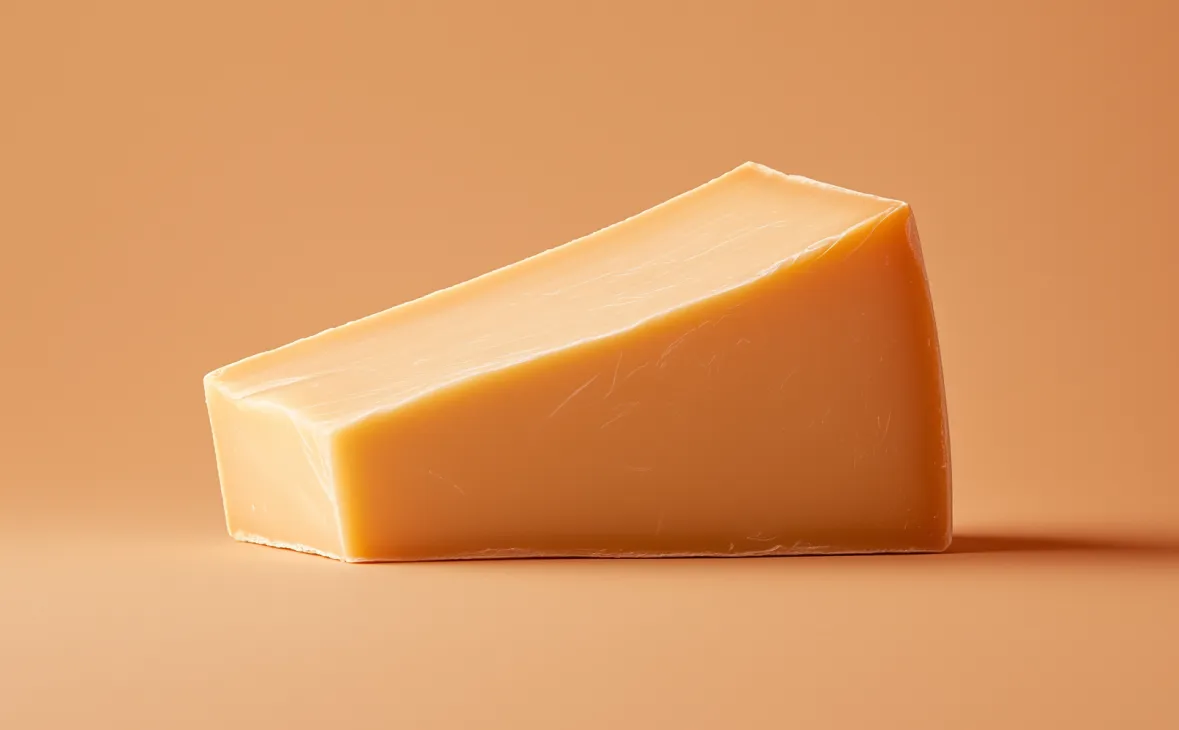
How to Serve
Textures and portions change as your baby grows. Here's how to serve Cheddar Cheese safely at each stage.
6 months
At 6 months, cheese isn't typically recommended due to potential allergens and digestive immaturity.
9 months
Serve small, thin strips of mild cheddar cheese. Ensure the child is sitting upright during meals to avoid choking hazards.
As infants approach 9 months, their diet begins to diversify. They can handle a wider range of textures and may be ready to try soft cheeses such as mild cheddar. At this stage, it's appropriate to serve small, thin strips of cheese that babies can grasp with their developing pincer grasp, encouraging fine motor skill development. Offering cheese at this age can provide essential nutrients like calcium and protein that are important for growing bodies.
However, cheddar cheese should be introduced in a manner that's mindful of potential allergies and lactose intolerance. Monitoring for any adverse reactions during the initial introductions is key. Caregivers should ensure that the baby is seated upright while eating and that they are continuously observed to prevent choking. While cheddar can be a nutritious addition to a baby's diet, it should be given in moderation due to its salt content.
Possible reactions: Observe for any allergic reactions such as hives, swelling, or difficulty breathing and consult a healthcare provider if concerns arise.
12 months
Introduce grated cheddar cheese as finger food or melted into other dishes. Increasing variety and textures is important now.
By 12 months, toddlers often enjoy a varied diet and can manage more complex textures. This age is suitable for introducing grated cheddar cheese, which can be easier for them to pick up and chew. Grated cheese can be sprinkled over vegetables to enhance flavor and nutrient intake or melted into other dishes such as scrambled eggs, quesadillas, or pasta, making meals more appealing.
It is an excellent source of calcium and fats that are crucial for brain development. While introducing a variety of foods is important for sensory development and preventing picky eating habits, always keep a watchful eye for choking hazards and ensure that foods are presented in a safe, manageable manner. Since sodium intake should be watched, cheddar cheese should be offered in small portions and balanced within a diet rich in fruits, vegetables, whole grains, and lean proteins.
Introduction
Cheddar cheese is a firm, flavorful cow's-milk cheese that can be introduced as a finger food around 9 months for babies practicing baby-led weaning. Choose pasteurized, mild or medium varieties to reduce strong flavors and ensure safety. Because cheddar is nutrient-dense and easy for babies to grasp, it can be an excellent way to offer concentrated protein and calcium in small, manageable portions.
Prepare cheddar in baby-friendly forms: thin strips, small cubes, or finely shredded so it softens quickly in the mouth. Avoid large hard chunks and serve at room temperature or slightly warmed so it becomes pliable. Pairing cheese with softer foods—steamed veg, banana slices, or whole-grain toast fingers—helps create balanced bites and easier handling for tiny hands.
Watch portion sizes and frequency because cheddar can be high in sodium and saturated fat. Offer it as one component of varied meals rather than a staple at every feeding. Store cheddar in the refrigerator, use within a week of opening, and discard any unpasteurized cheeses or those past their use-by date.
Choking
Cheddar can be dense and may form a slippery, cohesive mass if given in large chunks, so always cut into small, easily mashed pieces (thin strips, small cubes, or grated). Avoid hard, thick slices or whole wedges that a baby could clamp on and gag with. Supervise every bite, have the baby seated upright, and be ready to respond if coughing or choking occurs. If your baby is new to solids or has a weak chew, offer very small shreds or melt the cheese onto other soft foods to reduce risk.
Allergens
Cheddar is made from cow’s milk and is a common allergen; milk allergy can cause hives, vomiting, wheeze, or difficulty breathing and requires immediate medical attention. Lactose intolerance, which causes gas or diarrhea, is different and less common in infants under one year but still possible. If there is a personal or family history of milk allergy, consult your pediatrician or an allergist before introducing cheese. For confirmed milk allergy, offer calcium- and vitamin D–fortified non-dairy alternatives recommended by your clinician.
New to allergens? Read our step-by-step guide. Know the signs of an allergic reaction to watch for after Cheddar Cheese.
Nutrition
Cheddar is a concentrated source of protein, calcium, phosphorus, vitamin A, and vitamin B12—nutrients important for bone growth and development. It also provides energy-dense fat that supports rapid brain growth in infancy. However, many cheeses are relatively high in sodium and saturated fat, so serve small amounts as part of a varied diet and balance with fruits, vegetables, and whole grains. For babies with limited appetite, a little cheese can help increase calorie and nutrient intake without large volumes of food.
Foods to try next



Track Cheddar Cheese and 380+ other foods in BabyPlate
Allergen scheduling and reaction logging included. Free to try, for babies 6–18 months.


This page is for general information only and is not a substitute for medical advice. Always talk to your pediatrician or health visitor about introducing new foods, allergens, and any symptoms or concerns.