
When can babies have Chicken?
Chicken can typically be introduced around 6 months. For spoon-feeding you can puree cooked chicken with a little cooking liquid, breastmilk, or formula to reach a smooth consistency. For baby-led weaning (BLW), tender strips or shredded pieces give babies something they can grasp and explore while practicing chewing and gag reflex control.
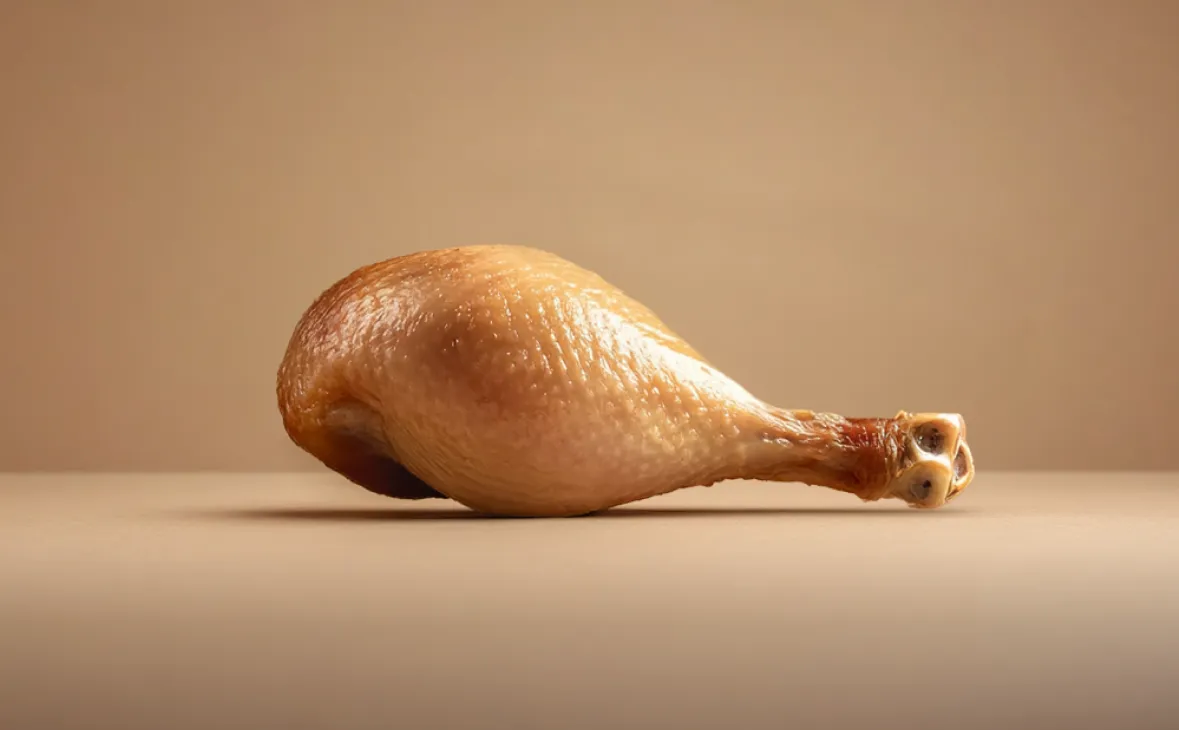
How to Serve
Textures and portions change as your baby grows. Here's how to serve Chicken safely at each stage.
6 months
At six months, chicken can be introduced as a concentrated source of haem iron and protein for infants beginning complementary feeding. Offer it when your baby shows steady head control and interest in new textures.
Prepare bone-free cuts by poaching, pressure-cooking, or slow-cooking until meat fibers fall apart; discard skin and tender connective tissue. Check carefully for any small fragments by running meat between your fingers before serving.
For spoon-fed starts, blend to a smooth, thin puree mixed with breastmilk or formula to a familiar consistency. For baby-led approaches, offer a long, soft shredded strip that the infant can grasp and gum safely.
Serve small amounts initially and observe closely for immediate coughing, pallor, or persistent refusal. Record any reactions and wait several days before introducing another new food when testing chicken.
Possible reactions: Monitor for coughing, wheeze, swelling, rash, or vomiting after chicken introduction; seek immediate medical care for breathing difficulty or other severe reactions.
9 months
Provide shredded or small, bite-sized pieces of chicken, which your baby can pick up and chew more independently.
As your baby approaches 9 months, their pincer grasp develops, allowing for more refined movements. At this stage, offering bite-sized or shredded pieces of chicken will encourage this fine motor skill. Cooking the chicken until it's tender and easy to chew is still critical.
You can introduce new flavors by adding mild herbs or spices, considering potential allergies. Encourage self-feeding, which aids in their developmental progression and fosters a positive relationship with food. During mealtime, create a supportive environment where the child feels free to explore new textures and tastes without pressure.
12 months
By twelve months, many toddlers eat with the family; offer cooked chicken as part of balanced plates to broaden tastes and support iron intake. Model eating so the child samples family flavours safely.
Cut chicken into small, chewable cubes or thin strips that encourage purposeful chewing without being tough. Incorporate chopped pieces into pasta, risotto, or soft vegetable stews so textures stay moist and varied.
Introduce gentle seasonings such as finely chopped parsley, a hint of garlic, or a squeeze of lemon to expand flavour preferences. Keep added sodium very low and avoid heavy spices or sugary sauces at this stage.
Encourage independent feeding using child-sized forks or fingers and practise transferring bite-sized pieces; use these opportunities to strengthen chewing and self-feeding skills. Monitor for persistent coughing or difficulty managing tougher bits.
Store leftovers promptly, reheat thoroughly until steaming, and discard if kept too long. If new symptoms such as fever, rash, persistent vomiting, or unusual lethargy appear after introduction, seek medical evaluation.
Introduction
Chicken is a great first meat for babies starting around 6 months because it’s mild in flavor and, when cooked and prepared right, soft enough for young mouths. For spoon-feeding you can puree cooked chicken with a little cooking liquid, breastmilk, or formula to reach a smooth consistency. For baby-led weaning (BLW), tender strips or shredded pieces give babies something they can grasp and explore while practicing chewing and gag reflex control.
When offering chicken for BLW, choose skinless breast or thigh and cook until very tender—baked, poached, or slow-cooked methods work well. Remove all bones and cartilage, and avoid processed forms like nuggets that can contain salt, additives, and tough coatings. Start with small amounts alongside familiar fruits, vegetables, or soft grains so your baby learns to eat a mixed plate.
Introduce chicken in simple preparations without added salt, sugar, or strong spices. Combine shredded chicken with mashed avocado, soft-cooked veg, or plain yogurt to add moisture and make it easier to gum. Offer new textures one at a time and watch for any signs of intolerance or unusual reaction over the next few days.
Choking
Always remove bones, cartilage, skin or any crisp coating and serve chicken as very soft shreds or long thin strips small enough for your baby to hold. Avoid whole chunks, nuggets, or stringy pieces that can stick together and create a gag risk. Supervise meals closely, have your baby sit upright, and let them self-feed at their own pace.
Nutrition
Chicken is a good source of lean protein, which supports growth and muscle development, and provides B vitamins (including B12) important for energy metabolism. It also contributes iron and zinc—minerals that help immune function and development—especially when darker meat like thigh is offered. Pairing chicken with vitamin C–rich foods (e.g., mashed sweet potato or fruit) can help improve iron absorption; choose skinless cuts or trim excess fat to control saturated fat intake.
Chicken is iron-rich — see more iron-rich first foods.
Foods to try next


Track Chicken and 380+ other foods in BabyPlate
Allergen scheduling and reaction logging included. Free to try, for babies 6–18 months.


This page is for general information only and is not a substitute for medical advice. Always talk to your pediatrician or health visitor about introducing new foods, allergens, and any symptoms or concerns.