
When can babies have Zucchini?
Zucchini can typically be introduced around 6 months. Zucchini (Marrow) is a gentle, hydrating vegetable that’s a great early choice for babies. It provides vitamin C, potassium, and fiber, which help support growth, immune health, and digestion.
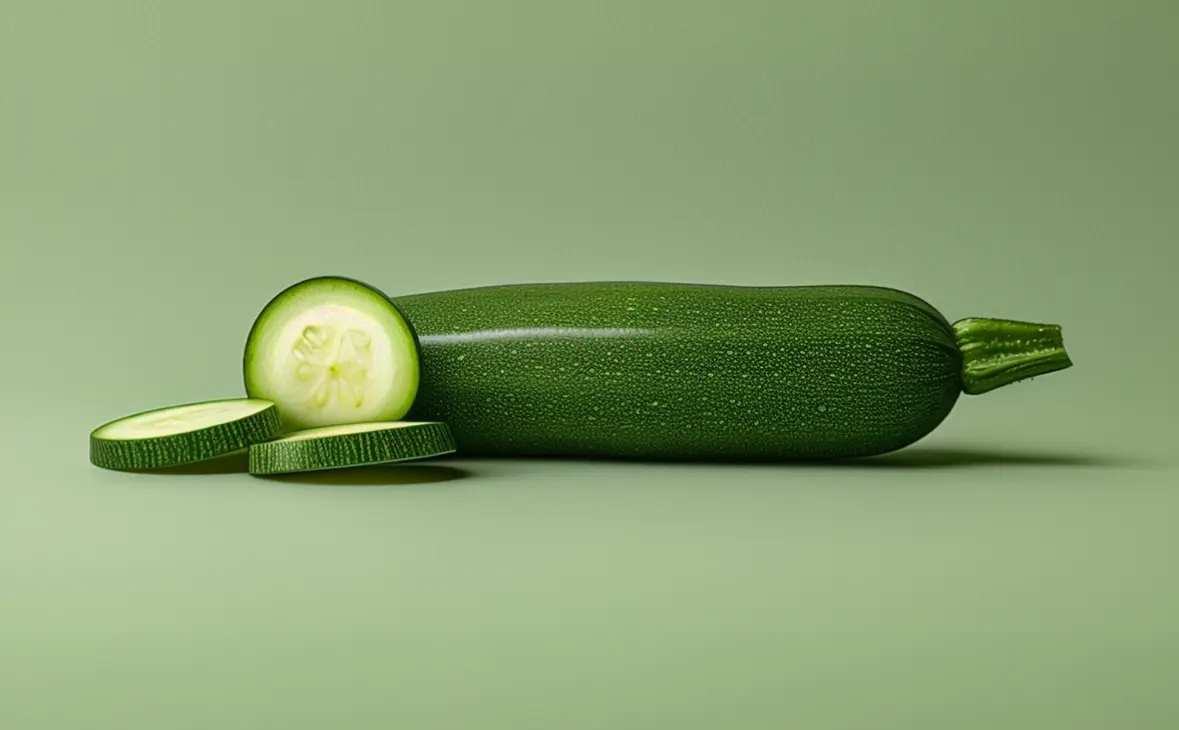
How to Serve
Textures and portions change as your baby grows. Here's how to serve Zucchini safely at each stage.
6 months
Steam or roast zucchini until very soft and fork-tender; trim into thick spears about 3–4 inches long for a secure grasp. Offer a smooth puree alternative for spoon-feeding if baby prefers and try brief hand-feeding to support grip practice.
Cooked zucchini becomes very tender and slightly watery, so expect quick breakdown in the mouth; the thin skin may be left on when well softened. Remove any overly seedy centers if present and avoid crisp roasted edges that stay firm.
Check softness by compressing the piece between thumb and forefinger until it gives easily; the flesh should mash without resistance. Stay at arm’s length and watch every mouthful while baby explores.
Serve lukewarm alongside a smear of avocado or a bit of full-fat yogurt for added calories and flavor; cool and refrigerate leftovers within two hours to keep batches fresh.
Possible reactions: This is guidance, not medical advice; consult your pediatrician before making changes; baby-led weaning can be combined with spoon-feeding as needed.
9 months
Babies at nine months usually show stronger chewing and improved hand-to-mouth coordination, so offer zucchini in slightly smaller, manageable shapes that prompt active chewing. Keep all pieces cooked until tender and cut with rounded edges to reduce snagging.
Move from long spears to short half-rings about one inch thick or small soft sticks so baby can practice transferring food from palm to fingers. Introduce a toddler-sized fork for assisted self-feeding during supervised bites to build utensil skills.
Mix zucchini with soft proteins and fats—small shredded chicken, mashed beans, or olive oil—to encourage varied textures and nutrient pairing. Try warm zucchini tossed with tiny pasta shapes for a finger-food meal that teaches biting and chewing patterns.
Rotate mild herbs like basil or a pinch of grated mild cheese to expand flavor memory while keeping pieces soft and easy to gum.
12 months
Include cooked zucchini as part of family-style meals, served in bite-sized wedges or mild vegetable medallions that mirror the adults’ plate while remaining soft. Keep preparation gentle—sautéed until tender or roasted until yielding—so pieces break easily for young toddlers.
Encourage independence by letting your toddler spear soft zucchini chunks with a fork, dip into hummus or yogurt, and manage paced bites. Offer simple seasonings such as a little lemon zest or chopped parsley to build palate variety without excess salt.
Vary textures across the week: very soft purees, tender roasted bites, and finely chopped zucchini mixed into rice or grain bowls to challenge chewing and coordination. These differences strengthen jaw control and tongue movement when supervised during mealtimes.
Use zucchini as a vehicle for vegetables and whole grains—stir into omelets, fold into soft casseroles, or serve with lentils to support balanced meals and independent eating skills.
Introduction
Zucchini (Marrow) is a gentle, hydrating vegetable that’s a great early choice for babies. It provides vitamin C, potassium, and fiber, which help support growth, immune health, and digestion.
It can be introduced around 6 months when the baby shows readiness for solids; early exposure to mild flavors like zucchini can help babies accept a wider range of vegetables.
Zucchini is easy to add to daily meals — blend into purees, grate into sauces, or serve as soft, cooked sticks for baby-led weaning to boost variety and nutrients.
Choking
Zucchini (Marrow) does not pose a choking hazard when prepared properly because it becomes very soft when cooked and can be offered in safe shapes. For purees, steam or boil until very tender and mash or blend; for finger foods, cut into long, thick sticks or wedges and cook until easily squashed between thumb and forefinger. Always seat the baby upright, supervise closely during meals, and offer small portions.
Nutrition
Zucchini is low in calories and carbohydrates but supplies vitamin C, potassium, some B vitamins, and fiber, plus lots of water for hydration. Start with 1–2 tablespoons of pureed zucchini for a 6–8 month old and gradually increase portion size and texture as the baby develops chewing skills.
Foods to try next

Track Zucchini and 380+ other foods in BabyPlate
Allergen scheduling and reaction logging included. Free to try, for babies 6–18 months.


This page is for general information only and is not a substitute for medical advice. Always talk to your pediatrician or health visitor about introducing new foods, allergens, and any symptoms or concerns.