
When can babies have Avocado?
Avocado can typically be introduced around 6 months. Avocado is a nutrient-dense fruit that gives babies healthy fats and gentle fiber to support growth, brain development, and digestion. It also supplies potassium, folate, vitamin E, and vitamin C to help overall development and immunity.
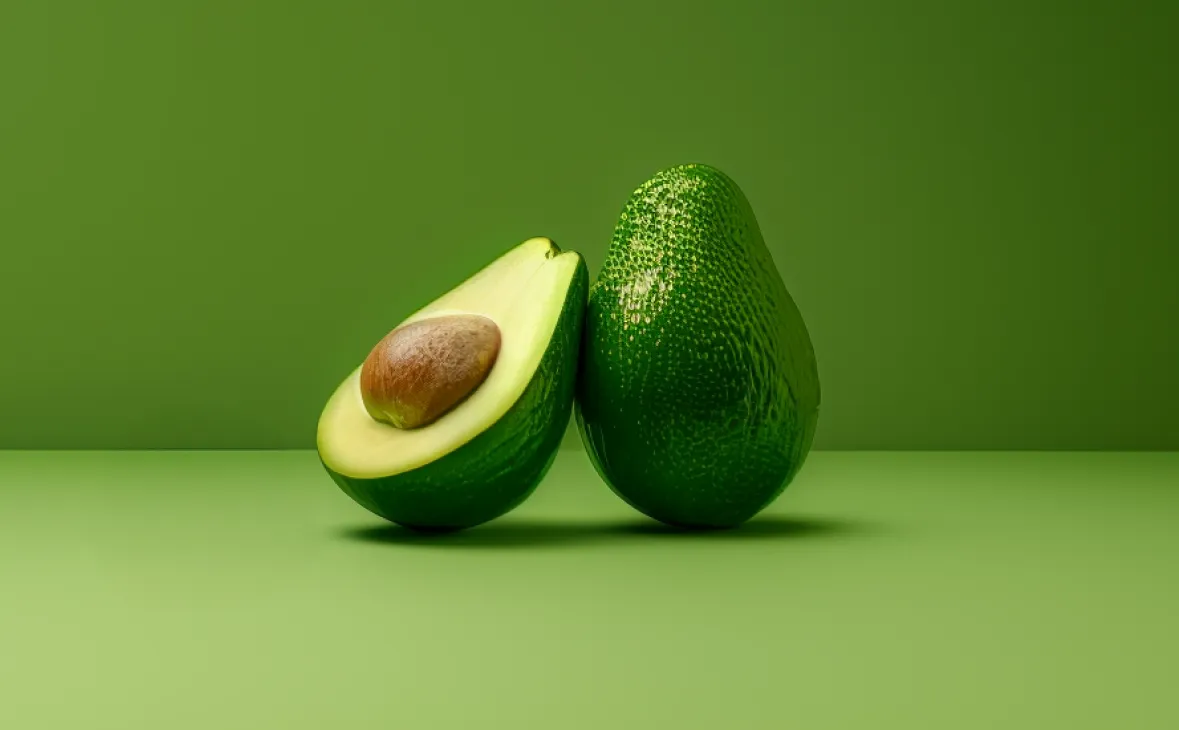
How to Serve
Textures and portions change as your baby grows. Here's how to serve Avocado safely at each stage.
6 months
Offer a BLW-first introduction by handing your baby a ripe wedge of avocado with most skin left on for grip, then let them explore and bite. Offer a small pre-loaded spoon of puree only as an alternative.
The flesh feels silky and yielding in the mouth with a dense, buttery quality; check for brown streaks or stringy bits before serving and remove the pit completely to avoid choking.
Babies often accept the mild, subtly nutty taste and high-fat texture easily, which can encourage longer eating sessions; begin with just a couple of small mouthfuls to gauge tolerance.
Confirm ripeness with a gentle squeeze so the fruit squashes easily between your fingers; stay beside your baby throughout the whole meal to watch for any difficulties.
Possible reactions: May soften stools or cause mild gas; start with small amounts. This is guidance, not medical advice; consult your pediatrician; baby-led weaning can be combined with spoon-feeding.
9 months
By nine months many babies show stronger chewing patterns, more deliberate jaw movement, and better bite control, so introduce slightly longer pieces for independent handling while keeping BLW the main approach.
Cut guidance: present avocado in soft, narrow strips or flattened segments to reduce roundness and resistance, avoiding cubes; these shapes make it easier to latch and bite, and allow a transition to utensils or fingers.
Pair avocado with yogurt, whole grains, or a smear of nut butter for flavor contrast, and offer it alongside iron-rich foods like lentils or minced meat to encourage varied exposures rather than focus on perfect portioning.
Try chilled strips for sensory learning and rotate ripeness levels to introduce new mouth sensations as the baby practices self-feeding and develops preferences.
12 months
Serve avocado family-style during shared meals so your baby eats the same foods as others, cutting to match their grasp and offering raw, ripe pieces without any puree options.
Encourage utensil use by letting your child try a fork or a toddler-friendly spreader for avocado, practicing dipping and carrying food from plate to mouth to build independence and mealtime confidence.
Offer avocado at different ripeness stages to present varying firmness levels, which challenges chewing coordination and supports oral-motor skill development as babies bite through slightly firmer edges versus softer centers.
Include avocado as a spread on sandwiches, a topping for salads, or tucked into wraps and snack boxes to make it easy for the child to choose and eat during family routines.
Introduction
Avocado is a nutrient-dense fruit that gives babies healthy fats and gentle fiber to support growth, brain development, and digestion. It also supplies potassium, folate, vitamin E, and vitamin C to help overall development and immunity.
It can be introduced around 6 months when the baby shows signs of readiness for solids; its mild flavor and creamy texture make it an easy early food and may help babies accept new tastes.
Avocado is simple to include—mash into purees, stir into oatmeal or yogurt, or offer ripe slices as a soft finger food for baby-led weaning to add variety to everyday meals.
Choking
Avocado does not pose a choking hazard when prepared properly because its soft, creamy texture is easy to mash and swallow. For spoon-feeding, mash or puree to a smooth texture; for baby-led weaning, offer ripe avocado cut into long, soft wedges or thick slices that the baby can grasp, removing the skin and pit and avoiding large, round chunks. Always supervise, keep the baby seated upright, and offer small, manageable portions.
Nutrition
Avocado provides healthy monounsaturated fats that support brain growth and energy, along with fiber, potassium, folate, and vitamins C and E to support digestion and overall growth. Start with a few teaspoons to 1–2 tablespoons for 6–8 month olds and increase to soft slices or up to about a quarter of an avocado as the baby gets older and used to textures.
Foods to try next


Track Avocado and 380+ other foods in BabyPlate
Allergen scheduling and reaction logging included. Free to try, for babies 6–18 months.


This page is for general information only and is not a substitute for medical advice. Always talk to your pediatrician or health visitor about introducing new foods, allergens, and any symptoms or concerns.