
When can babies have Strawberry?
Strawberry can typically be introduced around 6 months. Strawberries are a bright, flavorful fruit that can be a healthy addition to a baby’s diet. They are rich in vitamin C, provide fiber, and contain antioxidants that support immune health, digestion, and iron absorption for growth and development.
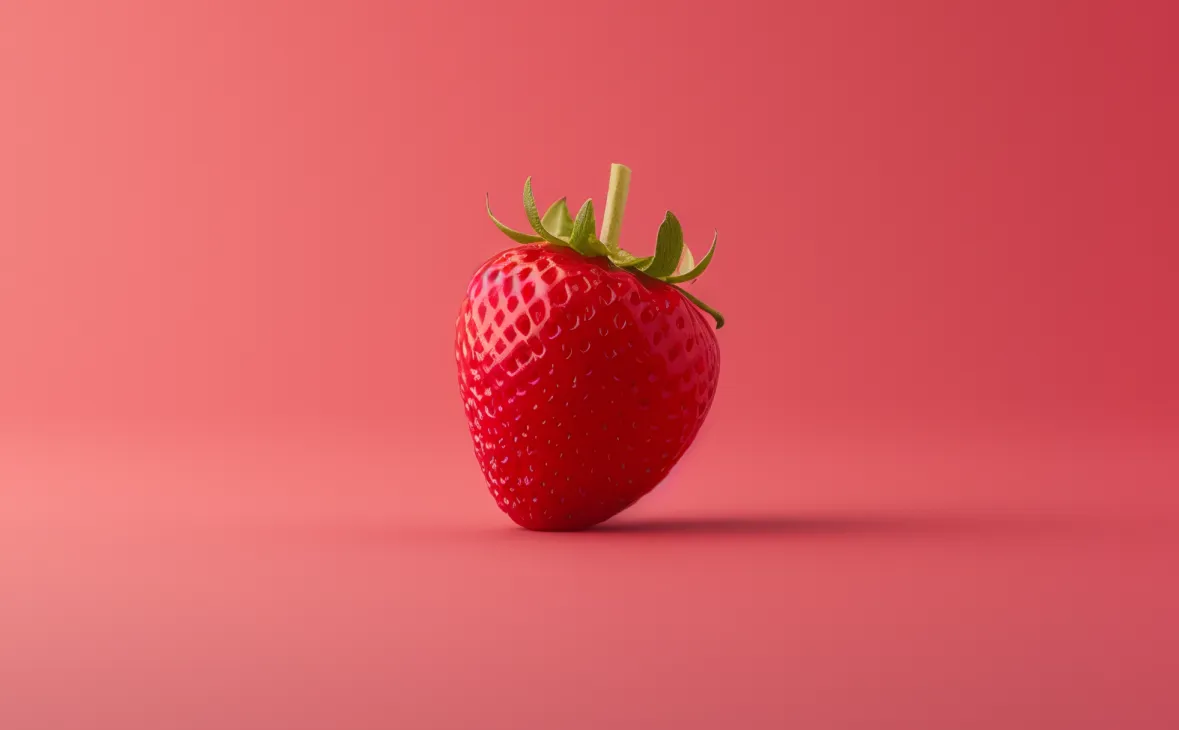
How to Serve
Textures and portions change as your baby grows. Here's how to serve Strawberry safely at each stage.
6 months
For a 6-month start with strawberry, offer the ripe fruit mashed or gently crushed and spread onto a wide, easy-to-hold banana or thick toast strip so the baby can grasp and explore independently; model one hand-feed, and offer puree only as an occasional alternative.
The flesh is soft and pulpy with tiny seed grit that provides subtle mouthfeel; remove the green cap before serving and inspect for any firm white core so pieces are fully tender.
Many babies respond to the bright aroma and a mild tart-sweet balance, but acidity may be noticeable; begin with a teaspoon-sized sample and observe tolerance across a few feedings.
Each portion should compress easily between two fingers to ensure it will break down in the mouth, and remain within arm’s reach while the baby explores the mashed strawberry.
Possible reactions: May cause looser stools, gas, or mild redness; start with small amounts. This is guidance, not medical advice; consult your pediatrician; baby-led weaning can be combined with spoon-feeding.
9 months
By nine months many babies demonstrate stronger jaw closure, improved chewing rhythm, and finer bite control; offer brief practice opportunities at meals to build confidence picking up and biting real food independently.
Cutting guidance: Present strawberries as tender-length slices, halved with the flat side down, or as small flattened pieces that stay cohesive for little hands to manage and that reduce slipping when grasped.
Pair slices with full-fat yogurt, stirred oats, or a thin smear of nut butter on toast to teach flavor contrasts and to introduce protein and texture alongside fruit without pressure.
Serving note: Rotate fresh strawberry preparations across breakfasts and snacks so the baby encounters different contexts and mouth sensations while encouraging repeated exposure and relaxed mealtime learning.
12 months
Family-style BLW serving: At twelve months offer strawberries on shared plates—sliced onto pancakes, tossed into fruit bowls, or placed within reach at the table—so the child can choose and eat with the family; avoid purees at this stage.
Independence & utensils: Encourage using a fork or fingers to pick up pieces, dipping slices into spreads or yogurt independently, and packing small resealable portions for supervised snacks when away from home to foster autonomy.
Texture variety & oral development: Provide contrasting mouthfeel—clean, brisk bites alongside softer, more yielding pieces—so the child experiences a range of demands on tongue and jaw that support oral-motor skill growth.
Culinary expansion: Use strawberries in salads, savory salsas, or mixed with cottage cheese and grains to normalize sweet-savory pairings and broaden acceptance of diverse family flavors.
Introduction
Strawberries are a bright, flavorful fruit that can be a healthy addition to a baby’s diet. They are rich in vitamin C, provide fiber, and contain antioxidants that support immune health, digestion, and iron absorption for growth and development.
Strawberries can be introduced around 6 months when the baby shows readiness for solids and can handle soft foods. Introducing a range of fruits early can help babies accept new flavors and textures and may support healthy eating habits.
Strawberries are easy to include in meals—mash or puree into cereals and yogurts for younger babies, or offer appropriately prepared slices or soft pieces as finger food for older infants to add variety and color to daily meals.
Choking
Strawberry is a choking hazard for babies because whole berries or large, firm pieces can block a small airway if not cut properly. For babies around 6 months, offer mashed or pureed strawberries; for older infants cut berries into thin lengthwise slices or quarter them, remove the stem and hull, and avoid whole small berries. Always supervise during feeds, seat the baby upright, and offer small portions to reduce risk.
Nutrition
Strawberries are high in vitamin C and provide dietary fiber, small amounts of folate and manganese, and natural carbohydrates for energy while being low in fat. They also contain antioxidants that support general health. Start with small portions—about 1–2 tablespoons mashed for young babies or a few appropriately cut slices for older infants—and adjust based on appetite and tolerance.
Track Strawberry and 380+ other foods in BabyPlate
Allergen scheduling and reaction logging included. Free to try, for babies 6–18 months.


This page is for general information only and is not a substitute for medical advice. Always talk to your pediatrician or health visitor about introducing new foods, allergens, and any symptoms or concerns.