
When can babies have Banana?
Banana can typically be introduced around 6 months. Bananas are a gentle, nutritious choice for babies because they provide quick energy and key nutrients like potassium, vitamin B6, vitamin C, and fiber that support growth, brain function, digestion, and immune health.
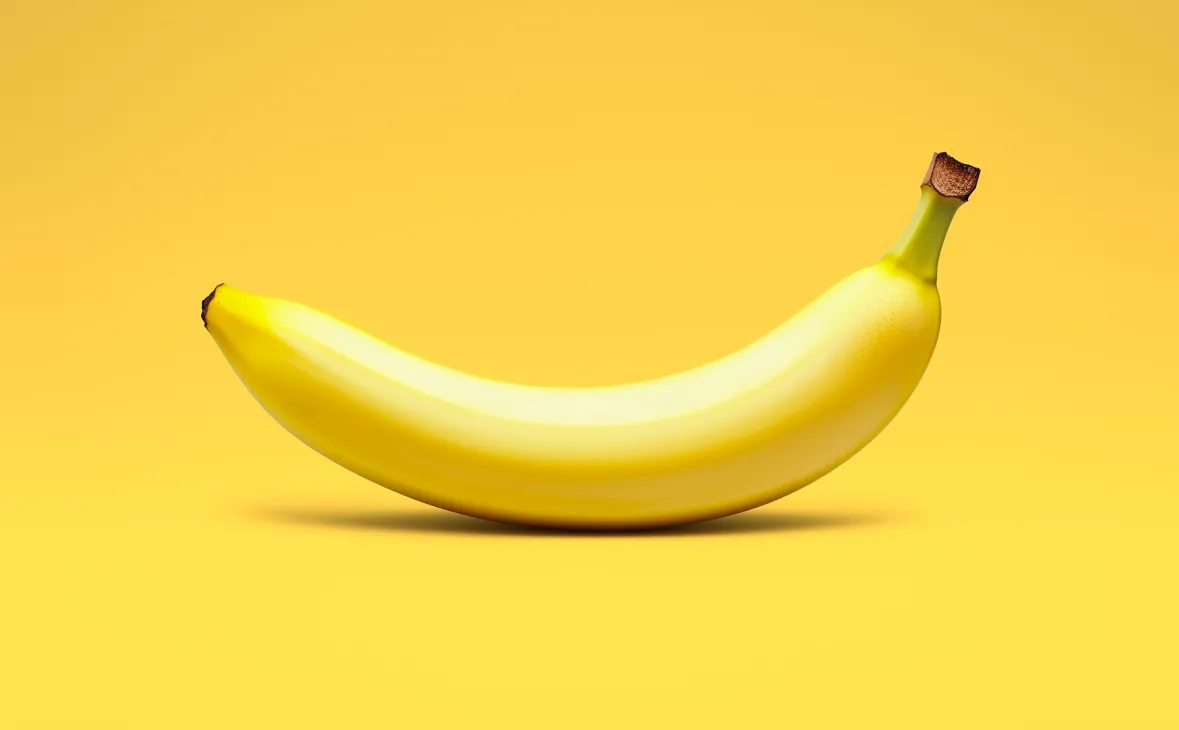
How to Serve
Textures and portions change as your baby grows. Here's how to serve Banana safely at each stage.
6 months
Offer a ripe, peeled banana as a thick finger so baby can grasp and explore independently; allow a single hand-fed first taste to model eating; puree may be offered briefly as an alternative.
On the tongue banana feels creamy and slightly starchy, turning silky as baby mouths it; fully remove the peel and check for very dark, overly mushy spots; discard any stringy or separated sections that shed under gentle handling.
Many babies respond to the banana’s natural sweetness and mild starch, accepting tiny tastes readily; begin with a teaspoon-sized nibble and offer once per meal initially to observe tolerance and preference.
Perform a gentle squish test—the piece should give under light finger pressure before offering; remain within arm’s reach and watch closely while baby explores the food.
Possible reactions: Bananas can cause softer stools or mild gas; start with small amounts. This is guidance, not medical advice; consult your pediatrician; baby-led weaning can be combined with spoon-feeding.
9 months
By nine months babies show stronger jaw closure, improved rotary chewing and more reliable bite control, allowing them to manage smaller bite sizes and manipulate food with better hand-to-mouth coordination; BLW remains the primary approach to encourage self-feeding exploration.
Slice the banana into longer, narrow lengthwise strips with one trimmed end to reduce rolling and create a flatter grip surface; shorten the strip length for easier handling so baby can practice controlled gnawing and breaking pieces apart.
Mix banana strips with plain yogurt, warm oats, or a thin smear of nut butter and place iron-rich foods nearby; repeated exposure during snacks and meals supports learning of flavors and textures without pressuring intake.
12 months
Family-style BLW serving: Offer ripe raw banana as part of shared meals so baby can mimic adult eating and choose from the communal plate; include one or two pieces per place setting and do not offer mashed or pureed banana at this stage.
Independence & utensils: Encourage use of a child fork to spear and lift banana pieces, dipping into spreads or carrying a small snack container for outings; support self-serving and clean-up roles to build autonomy at the table.
Texture variety & oral development: Present banana alongside firmer fruits, crisp vegetables, or juicier berries to broaden sensory input; alternating between yielding and more resistant bites helps refine bite force, chewing rhythm, and tongue coordination during everyday family meals.
Recipe to try: Baby-Led Weaning Banana Pancakes.
Introduction
Bananas are a gentle, nutritious choice for babies because they provide quick energy and key nutrients like potassium, vitamin B6, vitamin C, and fiber that support growth, brain function, digestion, and immune health.
They can be introduced around 6 months when starting solids, and their naturally sweet, mild flavor and soft texture often help babies accept new tastes and textures early on.
Bananas are easy to mash into purees, stir into oatmeal or yogurt, or offer as soft finger foods for baby-led weaning, making them very practical for everyday meals.
Choking
Banana does not pose a choking hazard when prepared properly because it is soft and easily mashed; however, large, intact pieces can still block a baby's airway. For a 6-month starter, mash well or slice into very small, thin coins or small pieces; for older babies doing finger foods, cut lengthwise into long, thin strips about the size of an adult thumb and make sure pieces are soft enough to compress with gentle pressure. Always supervise closely, seat the baby upright, and offer small portions one at a time.
Nutrition
Bananas are rich in potassium, vitamin B6, vitamin C, and fiber and provide easy-to-use carbohydrates for energy while being low in fat. For babies, a typical serving is about a quarter to half of a small banana depending on age and appetite, and it’s best to balance banana servings with iron-rich foods so natural sugars don’t crowd out important nutrients.
Foods to try next
Track Banana and 380+ other foods in BabyPlate
Allergen scheduling and reaction logging included. Free to try, for babies 6–18 months.


This page is for general information only and is not a substitute for medical advice. Always talk to your pediatrician or health visitor about introducing new foods, allergens, and any symptoms or concerns.