
When can babies have Cauliflower?
Cauliflower can typically be introduced around 6 months. Cauliflower is a gentle, nutrient-rich vegetable that can support a baby's growth and immune system. It provides vitamin C to help immunity, fiber for healthy digestion, folate for cell growth, and small amounts of protein and calcium that support overall development.
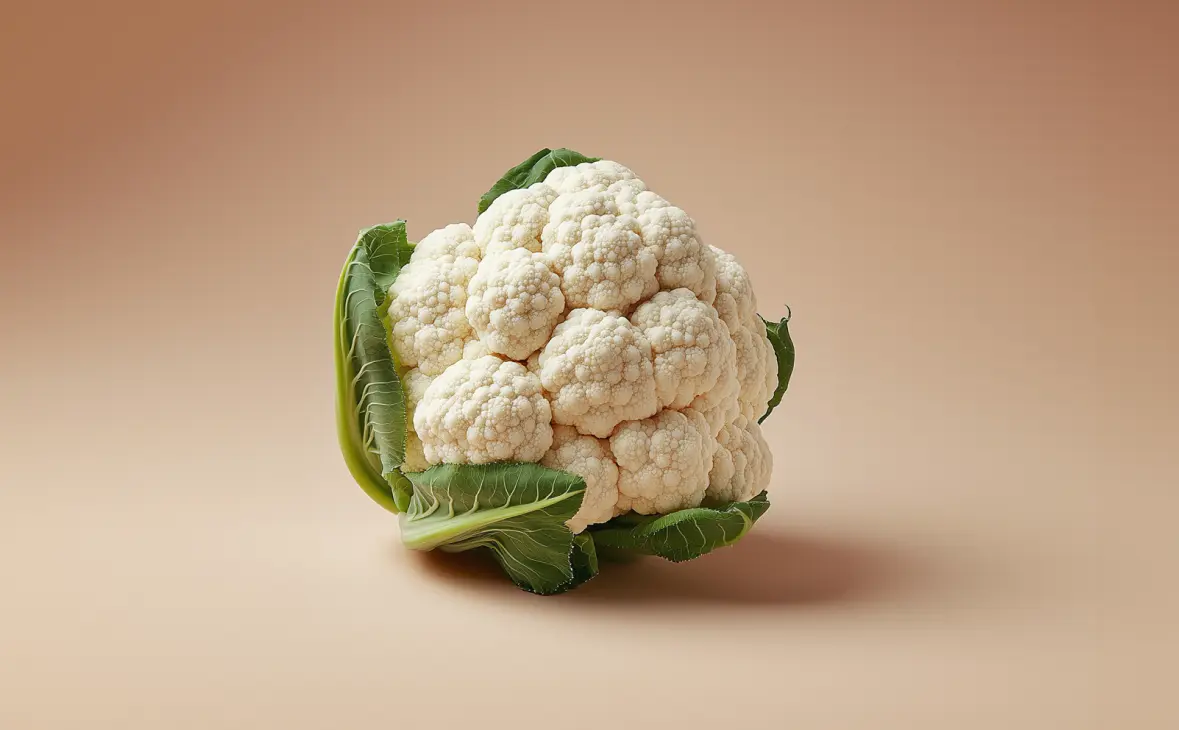
How to Serve
Textures and portions change as your baby grows. Here's how to serve Cauliflower safely at each stage.
6 months
Cook cauliflower until very soft and fork-tender — steam or roast florets until the curds yield easily. Offer a single large floret held by the stem so baby can grasp; you can hand-feed the stem end initially.
Cauliflower has a granular curd that should mash between fingers; trim away the tough base and any thick stems before serving. Its crumbly texture can break into small bits, so confirm there are no firm cores left.
As an alternative, blend a smooth cauliflower puree and thin with breastmilk, formula, or cooking water; stir in a little olive oil or mashed avocado to improve mouthfeel and calories.
Do the squish test: florets should compress easily between thumb and forefinger; stay within arm’s reach and watch your baby while they eat.
Possible reactions: This is guidance, not medical advice; consult your pediatrician; baby-led weaning can be combined with spoon-feeding.
9 months
By nine months many babies have stronger jaw control and improved hand-to-mouth coordination, so introduce slightly firmer curds and varied shapes. Encourage exploration while staying attentive.
Cut cooked cauliflower into smaller, soft florets or half-ring pieces about 1–2 inches to promote independent grasping; offer a child spoon or let fingers practice transporting food to the mouth. Adjust piece size as chewing matures.
Combine finely chopped cauliflower with soft proteins and grains — mashed beans, tender rice, or yogurt-based dips — to teach flavor pairing and texture contrasts while supporting nutrient variety.
12 months
Serve cauliflower family-style as part of regular meals: tender roasted florets, lightly mashed cauli, or small chopped pieces alongside proteins, grains, and vegetables. Let your toddler eat what the family eats, prepared to a tender texture.
Promote independence by offering a child fork for spearing and small containers for dipping; introduce simple seasonings like mild herbs and a squeeze of lemon to expand flavor tolerance. Encourage self-serving from a small bowl.
Vary textures — smooth mash, soft roasted florets, and finely chopped mixes — to build chewing patterns, tongue lateralization, and bite control, supporting progression toward full table foods.
Introduction
Cauliflower is a gentle, nutrient-rich vegetable that can support a baby's growth and immune system. It provides vitamin C to help immunity, fiber for healthy digestion, folate for cell growth, and small amounts of protein and calcium that support overall development.
It can be introduced around 6 months, once the baby shows readiness for solids and can sit with support. Early, repeated exposure to mild-flavored vegetables like cauliflower can help babies accept new tastes and textures.
Cauliflower is easy to fit into daily meals—steam and mash into purees for spoon-feeding or make very soft florets or thin slices for baby-led feeding. It blends well into mixed purees, soups, or vegetable mashes to add variety and texture.
Choking
Cauliflower does not pose a choking hazard when prepared properly because cooking softens its firm texture and allows it to be mashed or cut into safe shapes. Steam until very tender (fork easily pierces), then mash smooth for spoon-feeding or offer long, soft florets or thin cooked strips that a baby can grasp and gum; avoid raw hard pieces and small, round chunks. Always supervise closely, keep the baby seated upright, and offer small portions to reduce risk.
Nutrition
Cauliflower is low in calories and supplies vitamin C, folate, fiber, and potassium, supporting immunity, digestion, and growth. It contains small amounts of protein and calcium but is mainly a vitamin-and-fiber-rich veg. Start with a few tablespoons of puree and progress to a couple of soft florets or finger-sized pieces as the baby grows and manages textures.
Foods to try next

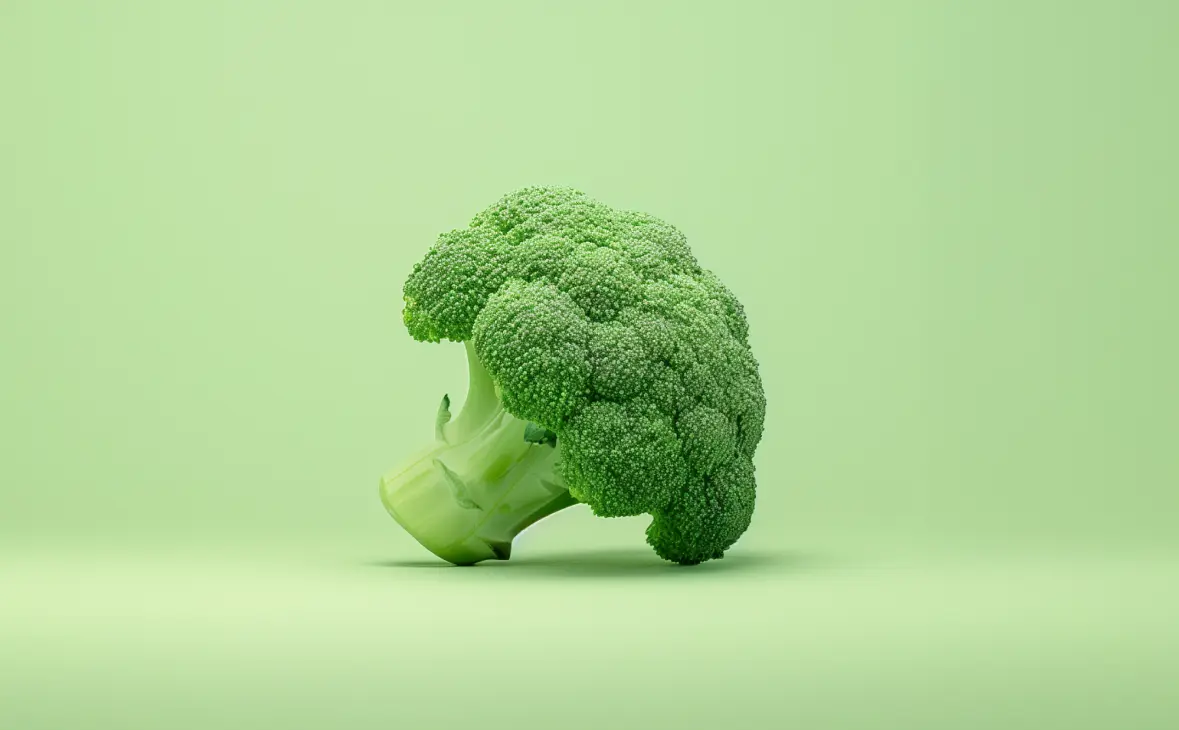
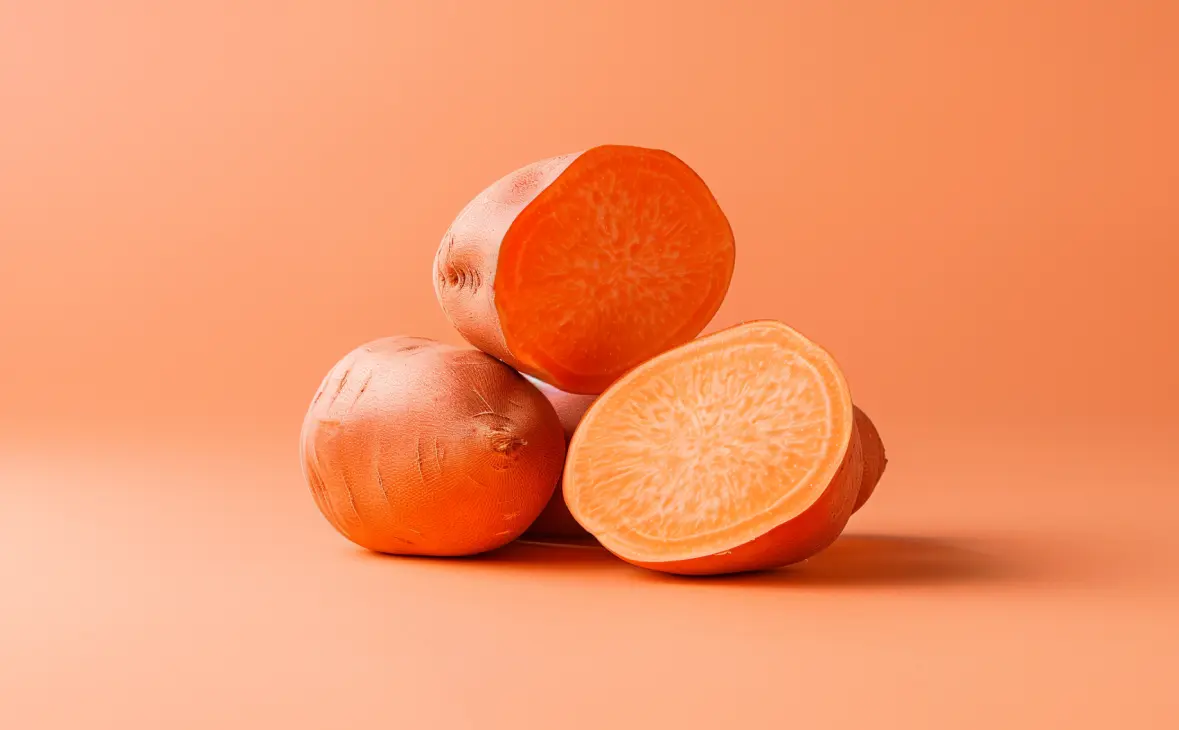
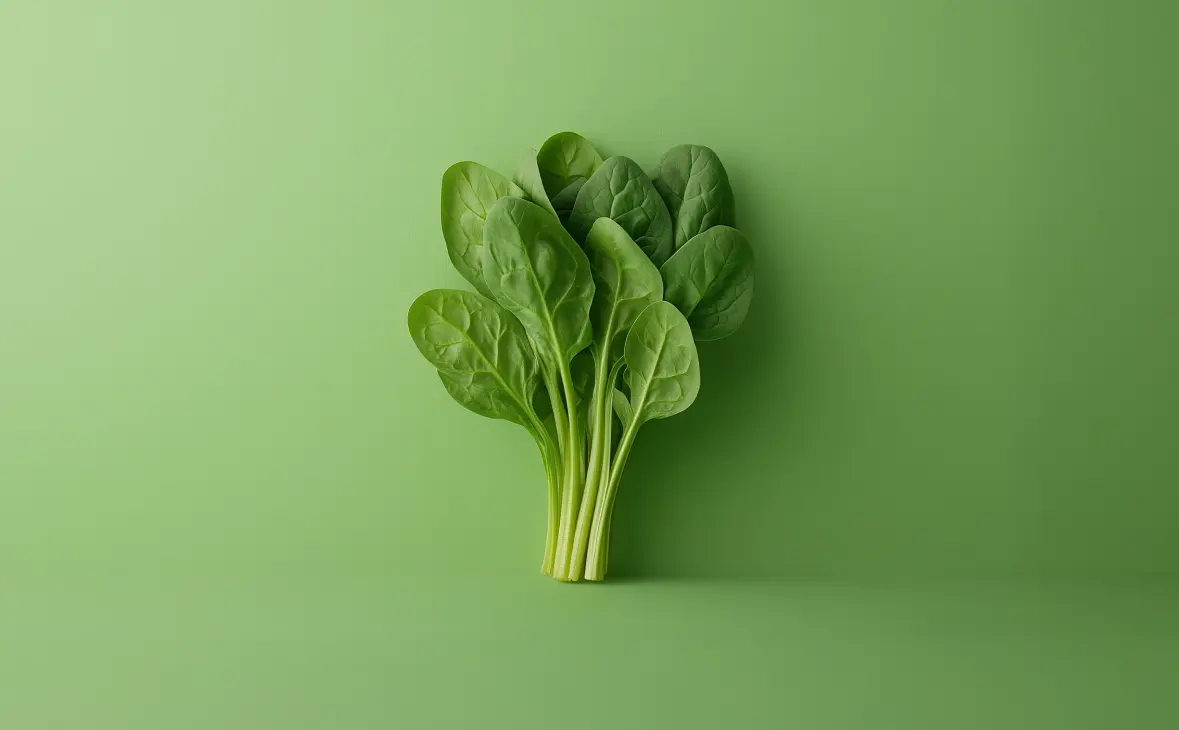

Track Cauliflower and 380+ other foods in BabyPlate
Allergen scheduling and reaction logging included. Free to try, for babies 6–18 months.


This page is for general information only and is not a substitute for medical advice. Always talk to your pediatrician or health visitor about introducing new foods, allergens, and any symptoms or concerns.