
When can babies have Pumpkin?
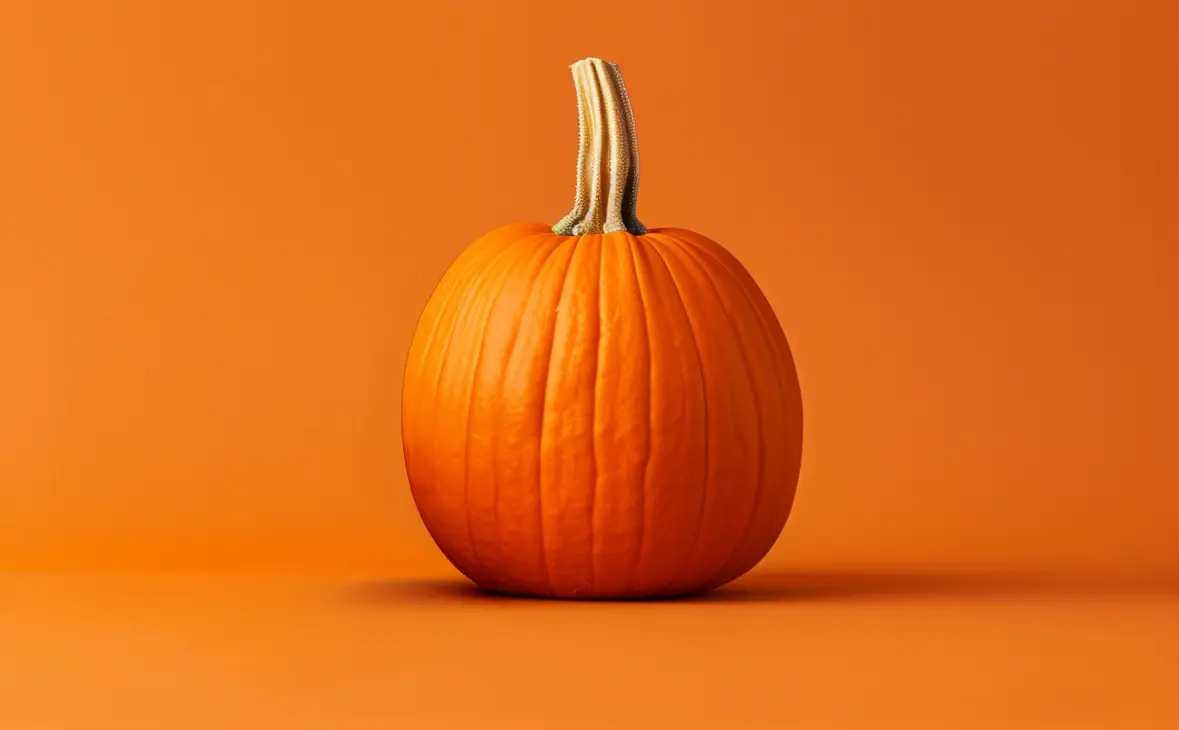
Pumpkin can typically be introduced around 6 months. Pumpkin is a gentle, nutrient-rich vegetable that supports baby growth and digestion because it’s high in beta-carotene (which the body converts to vitamin A), vitamin C, fiber, and small amounts of potassium and iron to support vision, immunity, and healthy digestion.
How to Serve
Textures and portions change as your baby grows. Here's how to serve Pumpkin safely at each stage.
6 months
Cook pumpkin until very soft—steam or roast until the flesh is tender and remove skin if it remains tough. Offer a thick cooked wedge or spear for baby-led holding, or a smooth puree spoon‑fed or hand‑fed as needed.
Well‑cooked pumpkin should be moist and break apart easily, with a slightly fibrous but non‑stringy texture; remove seeds and inner stringy fibers before serving. Do not offer raw pumpkin at this age and check that fibers do not form chewy strands.
Squish test: the flesh must collapse under light thumb pressure and mash into a soft blob appropriate for six months. Keep baby seated upright and watch closely during feeds.
Cool to lukewarm, and consider a light brush of olive oil or butter for better grip and extra energy in each bite.
Possible reactions: This is guidance, not medical advice; consult your pediatrician; baby-led weaning can be combined with spoon-feeding.
9 months
By nine months many babies show stronger munching patterns and improved jaw control, so introduce firmer cooked textures while keeping them very soft. Continue to cook pumpkin thoroughly; if the skin becomes tender when roasted, thinly leaving it is fine for added texture.
Cut into half‑ring boats or soft one‑inch roasted cubes that crumble when bitten; these sizes encourage self‑feeding and safe gum compression. Offer a small toddler fork or a preloaded spoon to practice utensil use alongside finger feeding.
Combine soft pumpkin pieces with mashed beans, shredded chicken, or full‑fat yogurt to add protein and healthy fats while encouraging dipping and flavor exploration. Try mixing cubes into mild rice or quinoa for varied mouthfeel.
Warm leftovers gently and season lightly with cinnamon or a tiny pat of butter for variety and caloric boost.
12 months
Serve pumpkin family‑style as tender roasted cubes, stirred into pasta, folded into pancakes, or mixed into stews so your toddler eats the same meals as the family. Keep pieces soft but varied in shape and finish.
Offer fork‑sized cubes or small wedges that a toddler can spear and dip into hummus, yogurt, or tomato sauce; encourage independent dipping and supervised utensil practice to build fine motor skills and self‑feeding confidence.
Provide a texture range—smooth puree, coarsely mashed flesh, and lightly caramelized edges—to challenge chewing, promote tongue lateralization, and strengthen bite patterns important for speech and eating development.
Use mild herbs like sage or thyme and a little olive oil or butter for energy; avoid added sugars and keep seasonings toddler‑gentle to support healthy palate learning.
Introduction
Pumpkin is a gentle, nutrient-rich vegetable that supports baby growth and digestion because it’s high in beta-carotene (which the body converts to vitamin A), vitamin C, fiber, and small amounts of potassium and iron to support vision, immunity, and healthy digestion.
It can be introduced around 6 months of age, offered as a smooth puree at first and later as soft pieces when the baby can sit with good head control; early, relaxed exposure to mild, slightly sweet vegetables like pumpkin can help babies accept new flavors.
Pumpkin is easy to blend into purees, mix into oatmeal or yogurt, or serve as soft sticks for baby-led weaning, making it a simple way to add color, texture, and nutrition to daily meals.
Choking
Pumpkin does not pose a choking hazard when prepared properly because cooked pumpkin becomes very soft and easy to mash; however, raw or undercooked pieces can be firm and risky. Steam or roast until a knife slides through easily, then puree finely for first tastes or cut into long, thin, soft strips about 1/4–1/2 inch thick for older, self-feeding babies; avoid round, hard chunks. Always supervise closely, seat the baby upright, and offer small spoonfuls or single soft pieces at a time.
Nutrition
Pumpkin is rich in beta-carotene (vitamin A), vitamin C, and fiber, with small amounts of potassium and iron, and is naturally low in fat and calories. For babies 6–8 months, start with 1–4 tablespoons per feeding and increase as appetite and interest grow while keeping a variety of other foods in the diet.
Foods to try next
Track Pumpkin and 380+ other foods in BabyPlate
Allergen scheduling and reaction logging included. Free to try, for babies 6–18 months.


This page is for general information only and is not a substitute for medical advice. Always talk to your pediatrician or health visitor about introducing new foods, allergens, and any symptoms or concerns.