
When can babies have Sweet Potato?
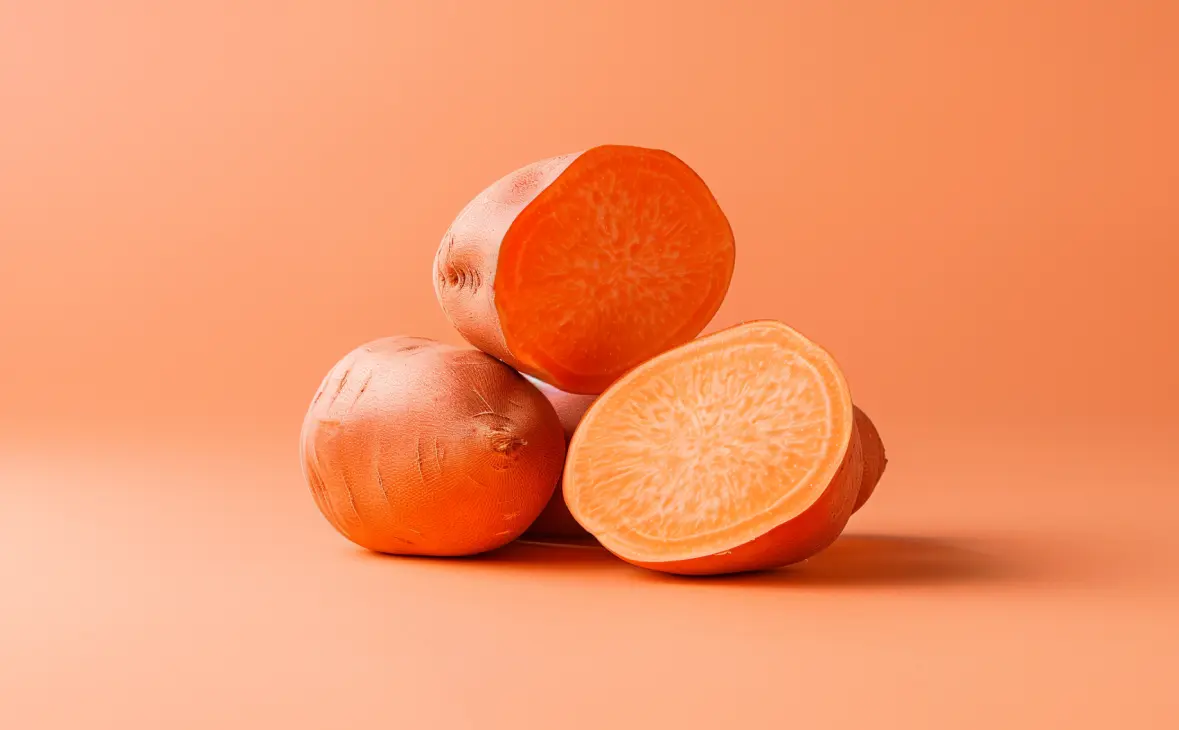
Sweet Potato can typically be introduced around 6 months. Sweet Potato is a nutrient-dense, baby-friendly vegetable that supports growth and digestive health by providing beta-carotene (which converts to vitamin A), vitamin C, fiber, and potassium.
How to Serve
Textures and portions change as your baby grows. Here's how to serve Sweet Potato safely at each stage.
6 months
Cook through until very soft by steaming, roasting, or boiling; cool slightly and offer a long thick spear or wedge the baby can grasp by the end, or blend a smooth puree and spoon-feed for mixed BLW/spooning.
Lightly scraping the skin is optional: well-roasted sweet potato skin can be left on if it is soft and not chewy.
Expect a naturally sticky, fibrous texture that becomes very tender when cooked; the flesh breaks down into small pieces with gentle chewing, and caramelized edges can be firmer so trim if needed.
Do a thumb-and-forefinger squish test — it should mash easily — and stay within arm’s reach while the baby explores this new food.
Possible reactions: This is guidance, not medical advice; consult your pediatrician; baby-led weaning can be combined with spoon-feeding.
9 months
Babies at nine months usually show stronger jaw movement and more coordinated hand-to-mouth action, so introduce slightly smaller, manageable pieces to build chewing skills.
Prepare half-rings or soft, bite-sized cubes cooked until tender throughout; allow the child to self-feed with fingers and offer a small toddler spoon or soft-tined fork during practice.
Combine pieces with complementary textures: spread a thin layer of mashed avocado or a smear of full-fat yogurt on a cube, or serve alongside soft shredded chicken or lentils to introduce protein and energy-dense pairings.
Store cooled roasted batches in the fridge and reheat gently, checking temperature and trimming any crisped edges before serving to avoid hard bits.
12 months
Serve sweet potato family-style as part of regular meals: roasted cubes, mashed dollops on the plate, or folded into a vegetable hash that everyone eats together.
Encourage independence with toddler tools: allow practicing fork spearing of soft cubes, dipping into hummus or yogurt, and choosing simple herbs like cinnamon or mild paprika for flavor.
Offer a range of textures on different days — fluffy mash, tender roasted edges, and fine shreds mixed into grains — to advance chewing patterns and oral-motor control.
Include sweet potato with whole-family meals that feature proteins and vegetables, fostering table manners and exposure while keeping seasonings gentle and salt-free for toddlers.
Introduction
Sweet Potato is a nutrient-dense, baby-friendly vegetable that supports growth and digestive health by providing beta-carotene (which converts to vitamin A), vitamin C, fiber, and potassium.
It can be introduced around 6 months of age when your baby is ready for solids; early, repeated exposure to mild, naturally sweet flavors can help babies accept new tastes and textures.
Sweet potato is easy to include in daily meals — mash into purees, stir into porridge, or serve as soft, finger-sized wedges for baby-led weaning to add variety and color to the diet.
Choking
Sweet Potato does not pose a choking hazard when prepared properly because its cooked flesh becomes very soft and easily mashable. Cook until fork-tender, then for purees mash or blend smooth; for finger foods cut into long strips or wedges about the length of the baby’s finger and ensure pieces are very soft (fork-tender) and easily squashed between thumb and forefinger. Always supervise at every meal, seat the baby upright, and offer small portions sized for the baby’s mouth.
Nutrition
Sweet potato is high in beta-carotene (a precursor to vitamin A), provides vitamin C, fiber, and potassium, and supplies slow-release carbohydrates for energy while being low in fat. Start with a few teaspoons of puree or one small soft wedge at a meal and increase portion size as baby shows hunger and comfort with textures.
Foods to try next

Track Sweet Potato and 380+ other foods in BabyPlate
Allergen scheduling and reaction logging included. Free to try, for babies 6–18 months.


This page is for general information only and is not a substitute for medical advice. Always talk to your pediatrician or health visitor about introducing new foods, allergens, and any symptoms or concerns.