
When can babies have Cheerios?
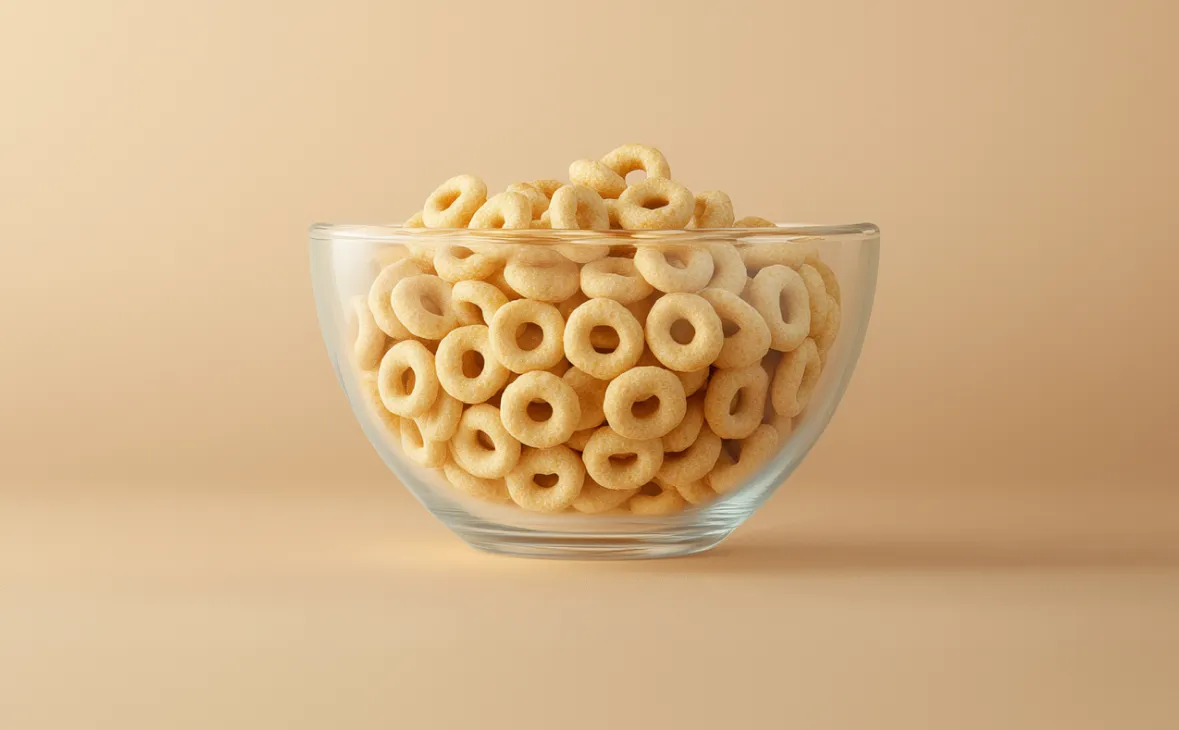
Cheerios can typically be introduced around 9 months. Cheerios & O-Shaped Cereal are a handy, baby-friendly finger food that can help develop self-feeding skills while providing steady energy from whole grains and a bit of fiber to support digestion. Many O-shaped cereals are fortified with iron and B vitamins, which support brain development and growth.
How to Serve
Textures and portions change as your baby grows. Here's how to serve Cheerios safely at each stage.
6 months
Not recommended until 9 months because Cheerios & O-Shaped Cereal pose a choking risk and lack appropriate texture for infants.
9 months
For 9-month-olds, offer Cheerios moistened with breast milk or formula to soften. Practice pincer grasp with these small pieces, avoiding honey-flavoured varieties.
Begin with a small handful of Cheerios that have been softened with a drizzle of breast milk or formula to ensure they are not too hard for baby's developing chewing skills. The shape of Cheerios naturally encourages practice of the pincer grasp, an important fine motor skill at this age.
Keep flavours simple and avoid honey or sugar-coated options to discourage a preference for sweet tastes. Cheerios can be particularly helpful for babies ready to move beyond single-grain infant cereals and advance their self-feeding abilities. Remember to always supervise meals and offer water to help swallow.
Possible reactions: Introducing Cheerios can cause potential reactions, like any new food. Start small, monitor for any signs of allergy or digestive issues, and consult your pediatrician with concerns.
12 months
Introduce dry Cheerios to encourage self-feeding and explore textures. Serve alongside fruit or yogurt to enrich nutritional value.
At 12 months, children can manage Cheerios in their original, dry form. This shift challenges their gumming and chewing skills while aiding in the development of hand-eye coordination.
To make a more complete snack, pair Cheerios with slices of soft fruit or a dollop of yogurt, which can also serve as a 'dip' to make the meal more interactive and fun. Encourage the baby to self-feed, using pieces of cereal to promote further dexterity with finger foods. Continue to ensure the baby is seated safely during snack time and monitor to prevent overstuffing of the mouth.
Introduction
Cheerios & O-Shaped Cereal are a handy, baby-friendly finger food that can help develop self-feeding skills while providing steady energy from whole grains and a bit of fiber to support digestion. Many O-shaped cereals are fortified with iron and B vitamins, which support brain development and growth. These small rings are easy for little hands to pick up and can be a low-mess option during meal or snack times.
This cereal can be introduced around 9 months of age as a finger food for babies who are sitting well and showing interest in self-feeding. Offering mild, familiar shapes early can help babies accept new textures and practice chewing and tongue control.
They fit easily into daily meals — offer a few pieces on the highchair tray, mix into yogurt or purees, or soften slightly in milk or formula for variety and a smoother start to self-feeding.
Choking
Cheerios & O-Shaped Cereal does not pose a choking hazard when prepared properly because the small O-shapes usually dissolve quickly in the mouth; however, whole pieces can still be risky if a baby gulps large amounts. For a 9-month-old, offer only a few pieces at a time, consider briefly soaking in breastmilk, formula, or puree to soften if needed, and never force a handful into the mouth. Always seat the baby upright, supervise closely during eating, and only offer small portions on the tray rather than a bowl that encourages scooping.
Nutrition
These O-shaped cereals mainly provide whole-grain carbohydrates for energy, fiber to support digestion, and are often fortified with iron and B vitamins that help brain development and growth. They tend to be low in fat and, depending on the brand, can be low in added sugar — check labels and choose plain or low-sugar options. Start with a small handful or 1–2 tablespoons for snacks and let the baby self-regulate intake.

Track Cheerios and 380+ other foods in BabyPlate
Allergen scheduling and reaction logging included. Free to try, for babies 6–18 months.


This page is for general information only and is not a substitute for medical advice. Always talk to your pediatrician or health visitor about introducing new foods, allergens, and any symptoms or concerns.