
When can babies have Rice?
Rice can typically be introduced around 6 months. Rice is a gentle, energy-rich grain that can be a helpful early food for babies, supplying carbohydrates for growth and, in whole-grain forms, fiber and B vitamins that support digestion and brain development.
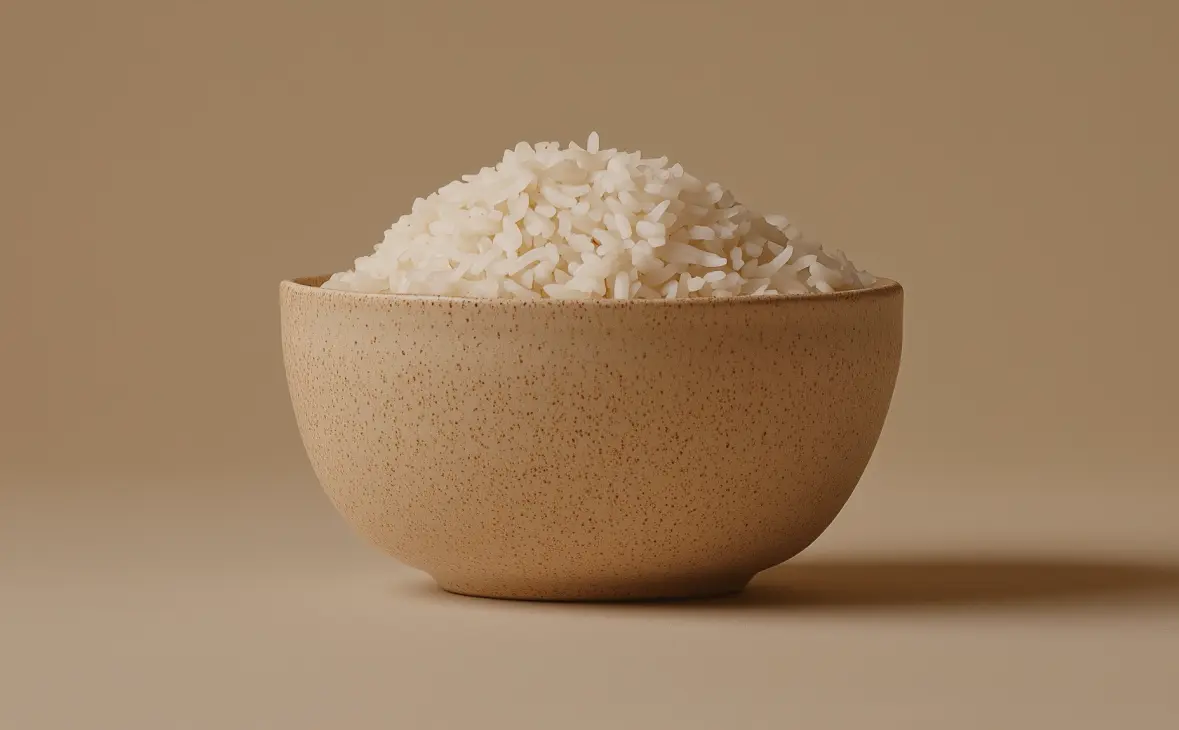
How to Serve
Textures and portions change as your baby grows. Here's how to serve Rice safely at each stage.
6 months
Cook rice until very soft. Offer as a pureed cereal or thin porridge on a pre-loaded spoon.
For infants starting at 6 months, rice can be introduced by cooking it until it's extremely tender. Transform the soft rice into a pure, silky cereal or mash it down to a consistency akin to a thin porridge, ideally starting with a portion size of about 1 tablespoon (15 mL) that can be offered on a pre-loaded spoon for the baby to attempt self-feeding.
Maintain the texture of the rice by removing any husks, using extra water for a looser consistency, and avoid offering any whole kernels that do not easily squash between the fingers. Always avoid added salt or sugar to keep it baby-safe.
Rice does not contain gluten, but be mindful of possible reactions to new foods including digestive upset; introduce a small taste and monitor for any adverse reactions on the skin, breathing, and stool, generally over a period of about 2 hours post-consumption.
To ensure safety during consumption, the rice porridge should pass the squish test, easily dripping off the spoon or flattening on the tongue, and always ensure it has sufficiently cooled to body warmth before serving to the baby.
Possible reactions: Introduce grains gradually, monitoring for any signs of gluten sensitivity or digestive upset, and start with small amounts. This is guidance, not medical advice; consult your pediatrician; baby-led weaning can be combined with spoon-feeding.
9 months
Progress to thicker porridge or soft rice balls for pincer practice. Teach using a mini spoon in a suction bowl.
As babies develop, around 9 months of age, they're ready for a bit more texture. Offer them a slightly thicker version of the porridge or even soft, clumpy rice that would encourage them to practice their pincer grip. A portion about the size of 1/4 cup can be shaped into small rice balls that are suitable for this stage of feeding development.
Additionally, introduce utensil practice by providing a child-sized spoon within a suction bowl to contain mess and encourage independent eating. Continue to make sure the rice is served without added salt and pair it with colourful, nutrient-rich fruit purees or vegetable mashes to make the meal more appealing and nutritious.
Creative combos can be entertaining and beneficial for the baby; for example, mix rice with a bit of mashed banana to offer vitamin C, or combine it with soft, cooked veggies for a meal that’s both attractive and wholesome.
12 months
Serve toddler-sized portions. Encourage independence by letting the child spear pasta with a fork.
Once the child reaches a year old, their portion sizes and independence in eating can both increase. Serve about a 1/2 cup of cooked grain, which can be presented in creative ways like oatmeal fingers shaped like small matchboxes, mini patties made from couscous, or enticing soft pasta spirals to appeal to their growing interest.
Encourage the child’s autonomy by guiding them to spear soft pasta with a fork, dip rice patty strips in their favourite sauce, or sprinkle on mild herbs themselves. Promote learning by teaching the child to set their utensils down between bites, which helps with the development of both patience and coordination.
Introduce a variety of whole grains like brown rice, oats, millet, and tender wheat noodles to expand their palate, provide essential fibre, and strengthen their jaw muscles—all while ensuring added sugar is kept under 5 grams per 100 grams serving and salt remains low to prioritize their health.
Introduction
Rice is a gentle, energy-rich grain that can be a helpful early food for babies, supplying carbohydrates for growth and, in whole-grain forms, fiber and B vitamins that support digestion and brain development.
It can be introduced around 6 months when the baby shows readiness for solids; offering a variety of grains early helps reduce reliance on any one food and encourages acceptance of new flavors and textures.
Rice is easy to include in daily meals—stir into purees or porridge, mix with vegetables or lentils, or shape into soft, manageable finger foods for variety and convenience.
Choking
Rice does not pose a choking hazard when prepared properly because it softens fully with cooking and can be mashed or made into a thin porridge for young babies. Cook rice until very soft and either mash with a fork or blend with extra liquid to a smooth, spoonable consistency; for finger foods, press well-cooked rice into small, compact patties or balls about 1 inch across and no thicker than 1/2 inch. Avoid offering dry, loose grains, hard toasted rice snacks, or large sticky clumps; always seat the baby upright, supervise closely, and offer small portions.
Nutrition
Rice is mainly a source of carbohydrates for energy; brown rice also provides fiber, B vitamins (like thiamine), magnesium, and small amounts of protein, while fortified rice cereals can add iron. Start with small portions—about 1–2 tablespoons for first tastes—and increase gradually as the baby tolerates more texture and appetite grows.
Track Rice and 380+ other foods in BabyPlate
Allergen scheduling and reaction logging included. Free to try, for babies 6–18 months.


This page is for general information only and is not a substitute for medical advice. Always talk to your pediatrician or health visitor about introducing new foods, allergens, and any symptoms or concerns.