
When can babies have Oatmeal?
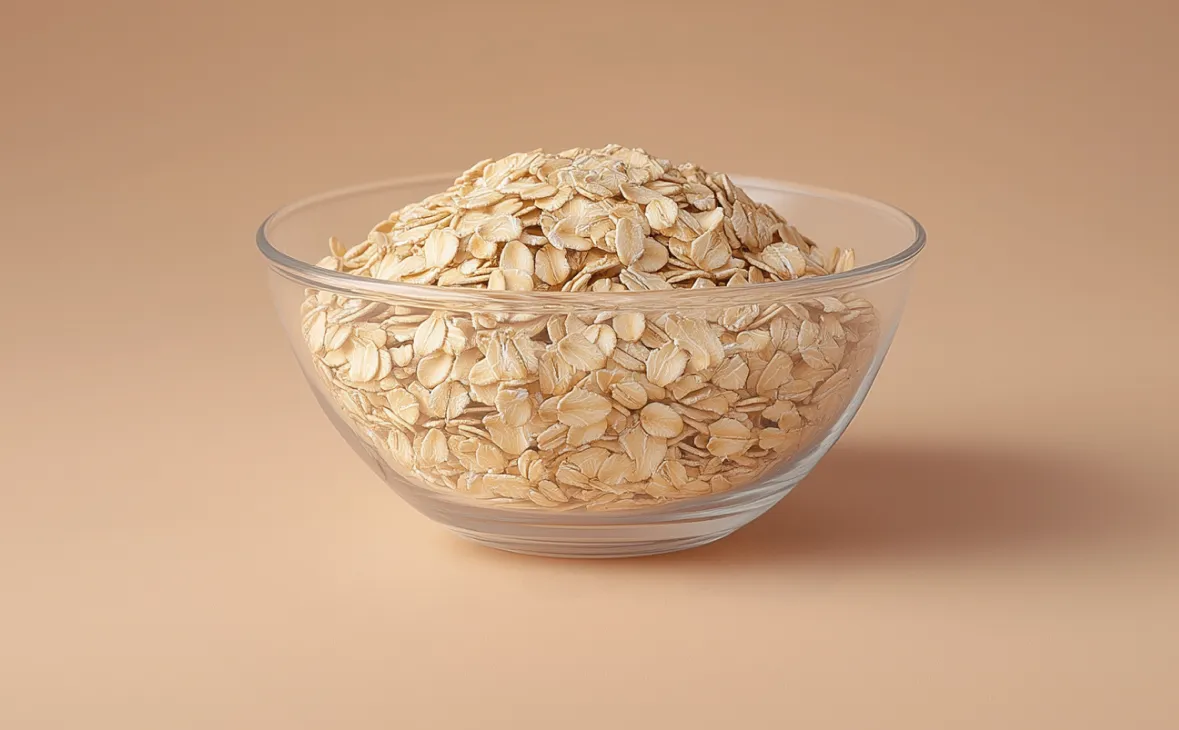
Oatmeal can typically be introduced around 6 months. Oatmeal is a gentle, nutritious grain for babies that provides complex carbohydrates, some protein, and soluble fiber to support steady energy and healthy digestion. Oatmeal can be introduced around 6 months as part of complementary feeding; fortified varieties can also add iron and B vitamins to support brain development.
How to Serve
Textures and portions change as your baby grows. Here's how to serve Oatmeal safely at each stage.
6 months
For oatmeal at 6 months, start with a well-cooked, pureed or thin porridge texture using more water to reach a drippy consistency, on a pre-loaded spoon.
Serve oatmeal cooked until very soft and mashed to a thin, silky porridge, starting with 1 tablespoon on a pre-loaded spoon. Ensure the porridge is loose in consistency by using extra water and has no whole kernels that can't be easily squashed.
Introduce a tiny taste of oatmeal to check for any potential reactions, closely observing the skin, breathing, and stool for 2 hours post-consumption. Always perform the squish test to ensure the oatmeal can drip off the spoon or flatten on the tongue, and ensure it's body-warm before serving to your baby.
Possible reactions: Be mindful of possible reactions to oats like gluten sensitivity or digestive upset; start with small portions. Remember, this guidance is not a substitute for medical advice; always consult with a pediatrician regarding your child's diet.
9 months
At 9 months, offer thicker oatmeal and soft, well-cooked oat grains to encourage pincer grasp development and utensil use practice.
Graduate to a slightly thicker oatmeal consistency, presenting it in pea-sized soft clumps that encourage pincer grasp practice, or as a 1/4-cup serving shaped into soft rice balls. Provide a small spoon in a suction bowl for independent eating and continue to avoid added salt, using natural fruit purees or vegetable mashes for added color and flavor. Combine cooked oats with a mashed banana to provide vitamin C, which aids iron absorption, or mix in plain yogurt to create a creamy texture and further boost nutritional content.
12 months
At 12 months, introduce toddler-sized portions of oatmeal, such as soft oatmeal fingers, encouraging independent eating and exploration of variety in grains.
Increase portion sizes to 1/2-cup servings, offering soft oatmeal in shapes like matchbox fingers, mini couscous patties, or soft pasta spirals that toddlers can easily handle. Encourage self-feeding and fine motor skills by letting toddlers use a fork to spear soft pasta or dip oatmeal fingers in sauces. Rotate through various grains like whole rolled oats, brown rice, or soft noodles to expose the child to different flavors and textures, all while keeping added sugars under 5g/100g and maintaining minimal salt content.
Introduction
Oatmeal is a gentle, nutritious grain for babies that provides complex carbohydrates, some protein, and soluble fiber to support steady energy and healthy digestion.
Oatmeal can be introduced around 6 months as part of complementary feeding; fortified varieties can also add iron and B vitamins to support brain development.
Oatmeal s easy to mix into purees, thin with breastmilk or formula for spoon-feeding, or offered as a thicker porridge or soft finger-friendly pieces for baby-led weaning so it fits into daily meals.
Choking
Oatmeal does not pose a choking hazard when prepared properly because cooked oats become soft and easy to swallow when made into the right consistency. Cook oats until very soft and free of lumps; for first tastes thin to a smooth, spoonable texture with breastmilk, formula, or water, and for older babies offer thicker, scoopable porridge or soft oat patties that can be mashed easily with gums. Always cool to a safe temperature, seat the baby upright, supervise closely, and offer small spoonfuls or small portions for self-feeding.
Nutrition
Oatmeal supplies complex carbohydrates for energy, soluble fiber (beta-glucan) to support digestion, a bit of plant protein, and B vitamins; fortified versions can add iron and calcium. Begin with 1–2 tablespoons of cooked oats for initial feedings and gradually increase to 2–4 tablespoons as the baby’s appetite grows.


Track Oatmeal and 380+ other foods in BabyPlate
Allergen scheduling and reaction logging included. Free to try, for babies 6–18 months.


This page is for general information only and is not a substitute for medical advice. Always talk to your pediatrician or health visitor about introducing new foods, allergens, and any symptoms or concerns.