
When can babies have Honey?
Honey can be introduced once a baby reaches 12 months; it should not be given earlier because of infant botulism risk. Honey can be a pleasant way to add natural sweetness and quick energy for toddlers.
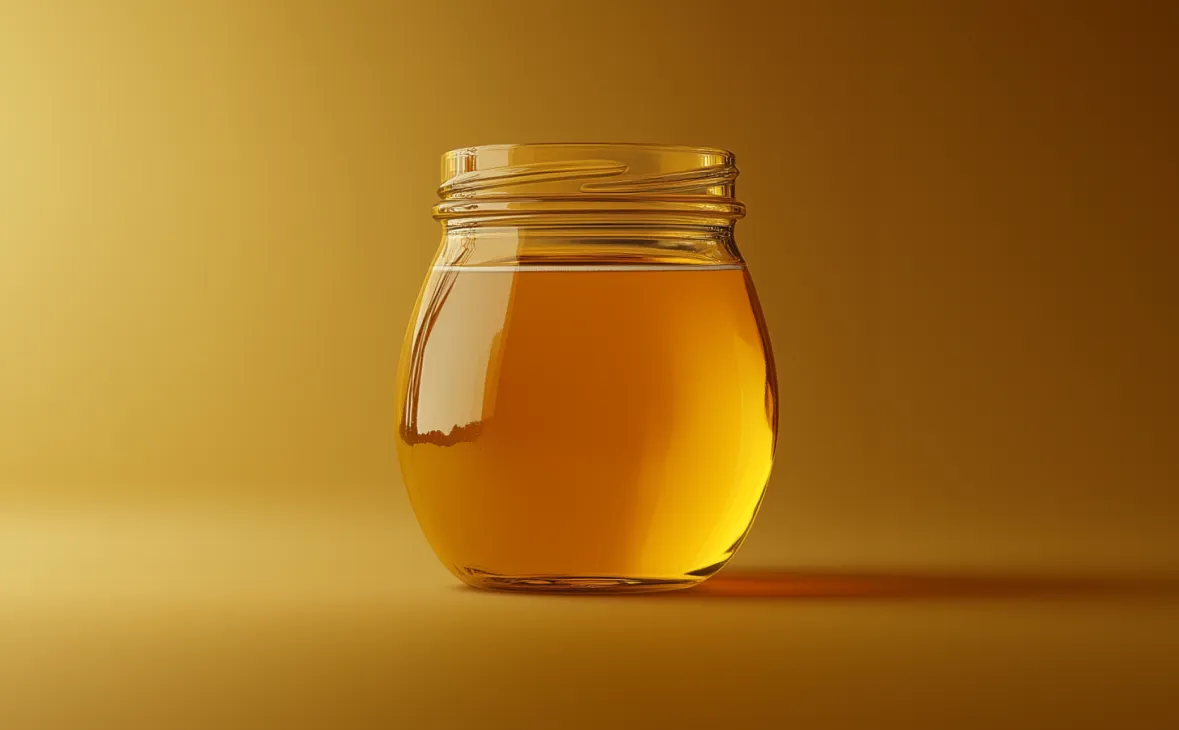
How to Serve
Textures and portions change as your baby grows. Here's how to serve Honey safely at each stage.
6 months
Not recommended until 12 months because of the risk of botulism associated with honey.
9 months
Not recommended until 12 months because of the risk of botulism associated with honey.
12 months
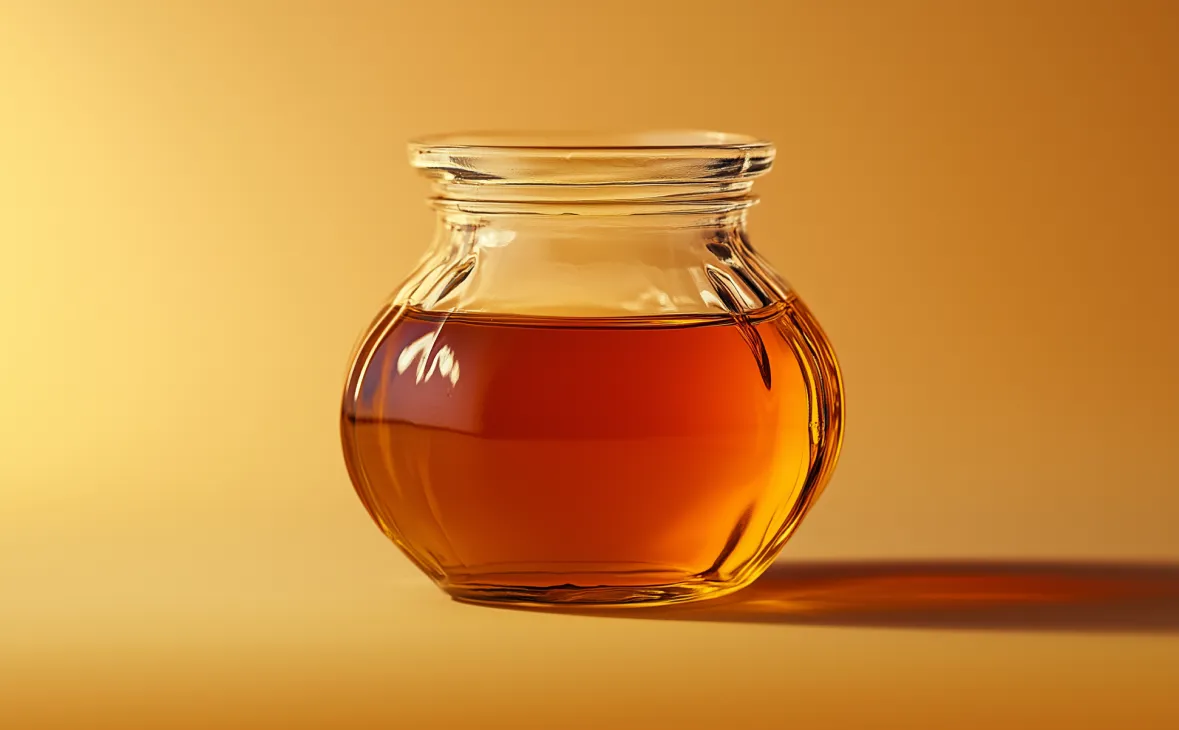
For a child-sized amount, a light honey drizzle over 1 Tbsp oatmeal is appropriate at 12 months. Encourage independence by inviting the child to dip toast into a tiny bit of honey.
Honey can be introduced to a child's diet starting at 12 months, in very small amounts. Serve a light drizzle of honey on a tablespoon of oatmeal or on a small piece of toast as a way to familiarize your toddler with its unique sweetness.
When offering honey, always ensure even distribution to prevent concentrated spots that could cause overconsumption. Encourage self-feeding by letting the child dip toast into the honey or stir it into their yogurt. Rotate honey with other natural sweeteners like applesauce or mashed bananas to provide variety and to help recognize any delayed reactions.
Possible reactions: Possible reactions to honey can include botulism or digestive upset in young infants, so it's important to start with small amounts. Always consult with a pediatrician before introducing new foods, and remember BLW can be complemented with traditional spoon-feeding methods.
Introduction
Honey can be a pleasant way to add natural sweetness and quick energy for toddlers. Although honey is mainly simple sugars, it also contains small amounts of antioxidants and trace minerals that may support general health and add new flavors to a child’s diet. Honey can be introduced once a baby reaches 12 months; it should not be given earlier because of infant botulism risk. It’s easy to use in small amounts—drizzle a little into yogurt, oatmeal, or spread thinly on toast to help babies explore new tastes.
Choking
Honey does not pose a choking hazard when prepared properly because honey is a pourable liquid rather than a solid piece. Serve very small amounts—start with a 1/4 to 1/2 teaspoon on a spoon or mixed into a soft food like yogurt or oatmeal rather than in a glob that could stick to the roof of the mouth. Always seat the child upright, offer small portions, and supervise closely while eating.
Nutrition
Honey is mostly simple carbohydrates, which provide quick energy, and contains small amounts of antioxidants and trace minerals; it does not provide meaningful protein, fiber, or iron. Because it is an added sugar, offer honey sparingly—small drizzles or a teaspoon occasionally—and focus on nutrient-dense foods for most meals. Limiting added sugars helps develop healthy taste preferences and supports overall nutrition.
Foods to try next
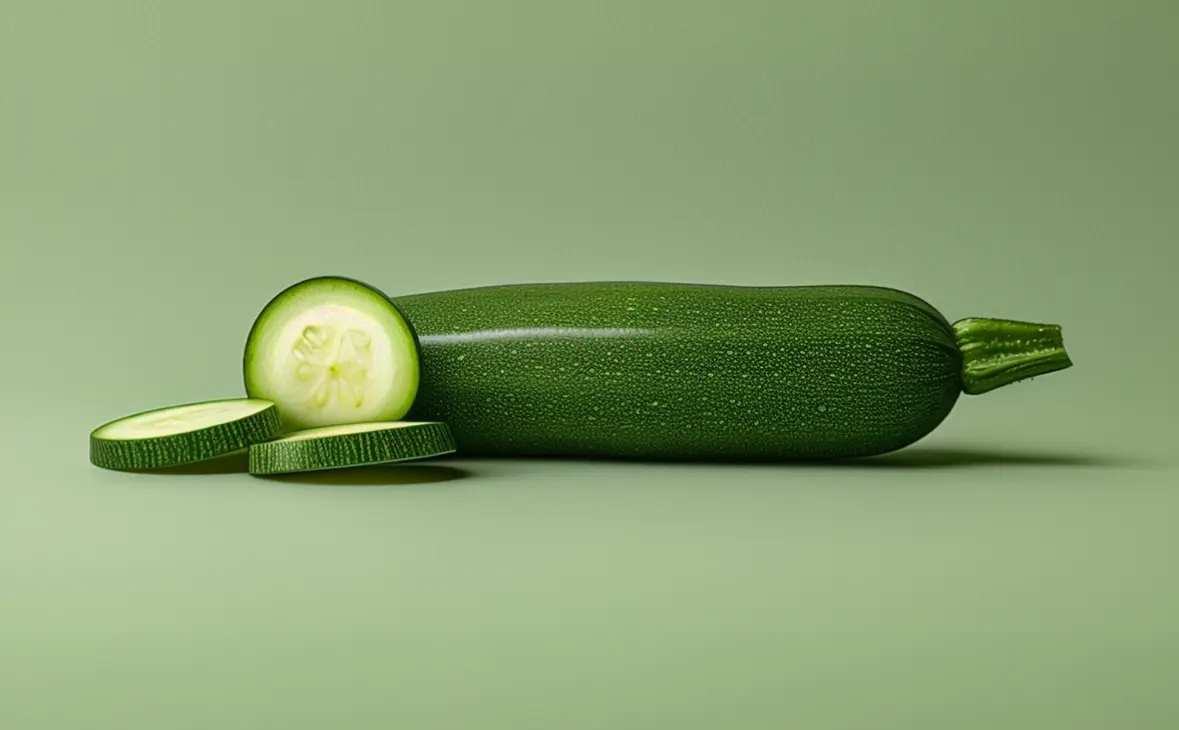
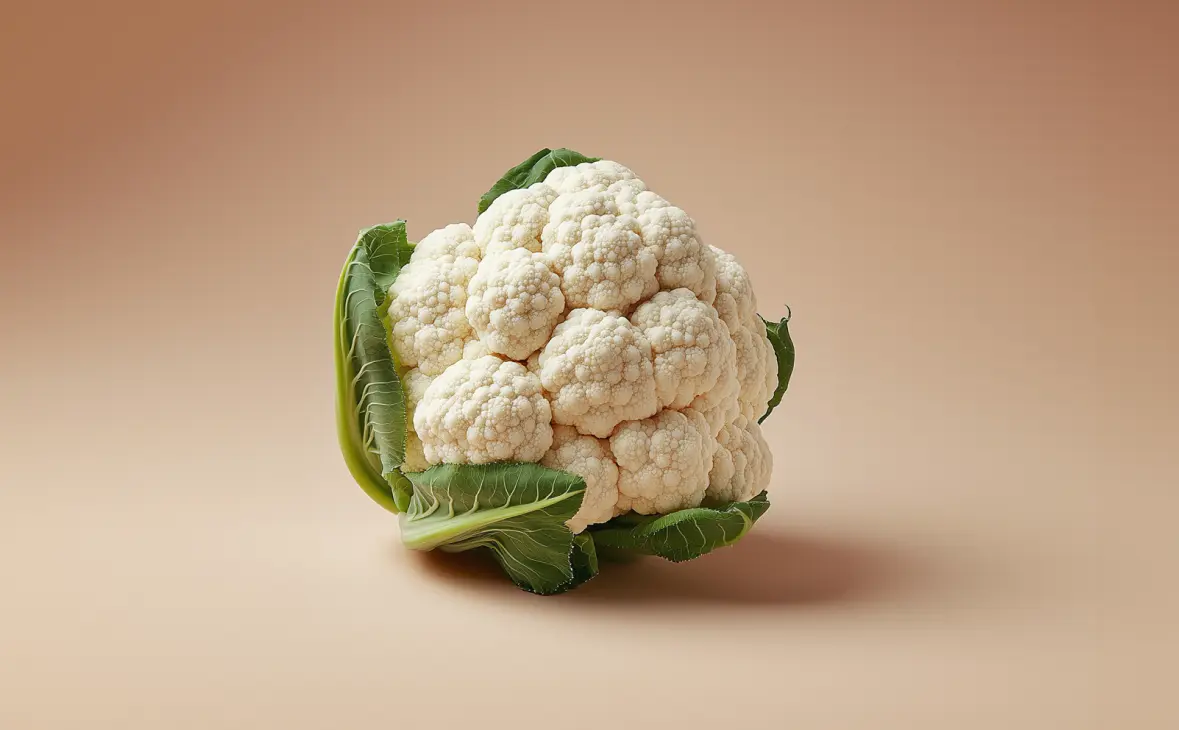
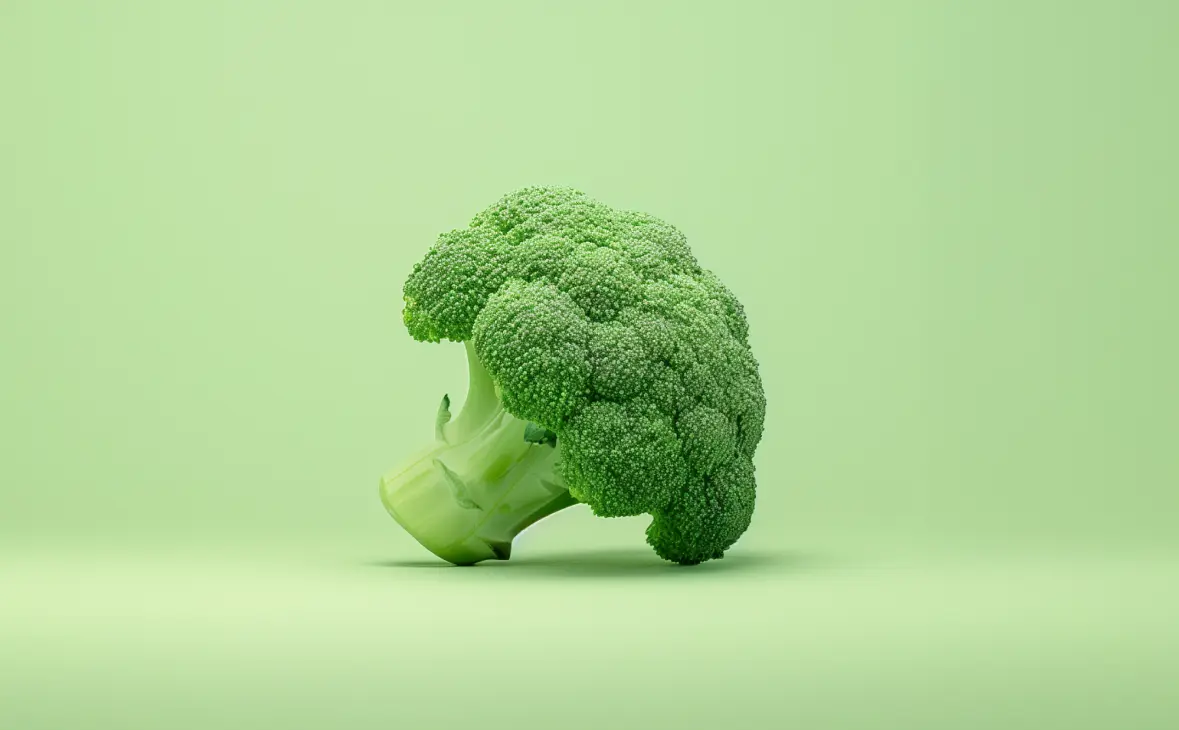
Track Honey and 380+ other foods in BabyPlate
Allergen scheduling and reaction logging included. Free to try, for babies 6–18 months.


This page is for general information only and is not a substitute for medical advice. Always talk to your pediatrician or health visitor about introducing new foods, allergens, and any symptoms or concerns.